
Last updated November 22, 2026
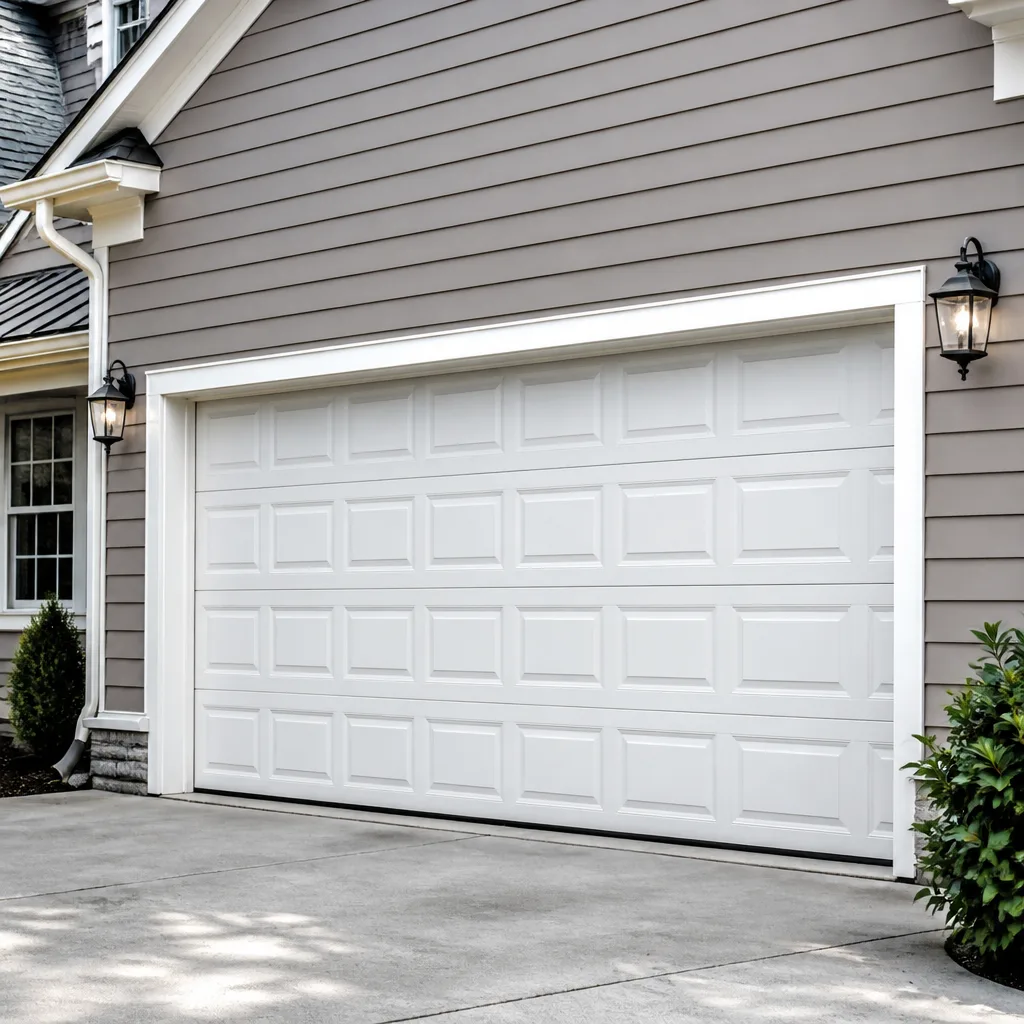 Raised-panel steel
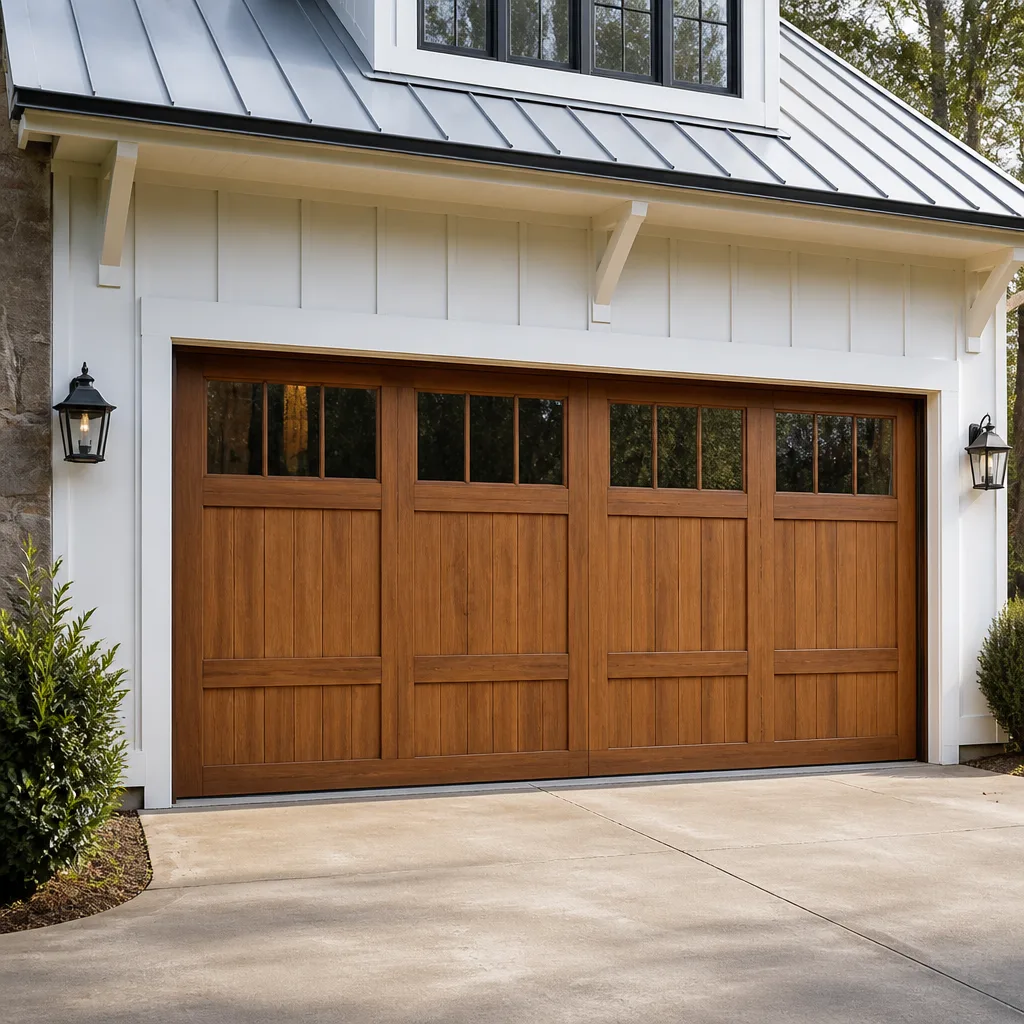 Carriage house
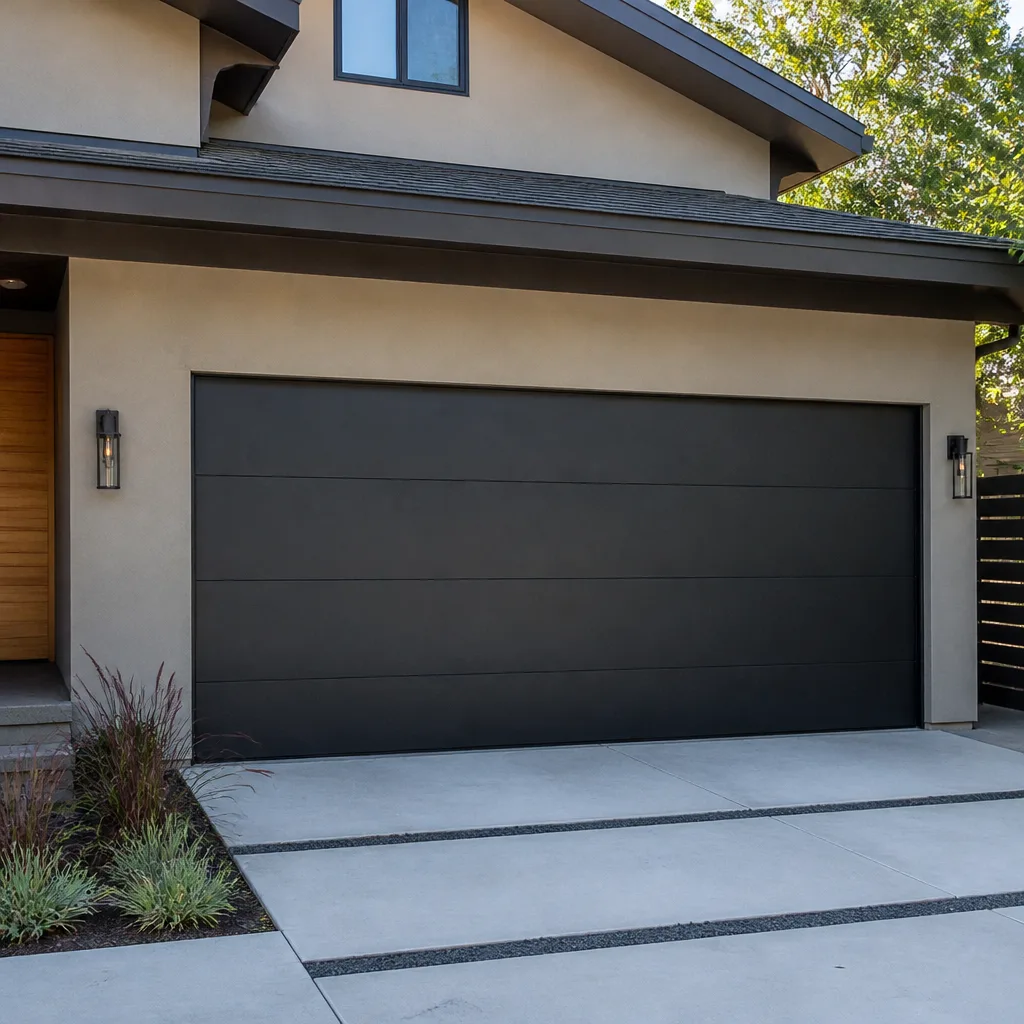 Modern flush
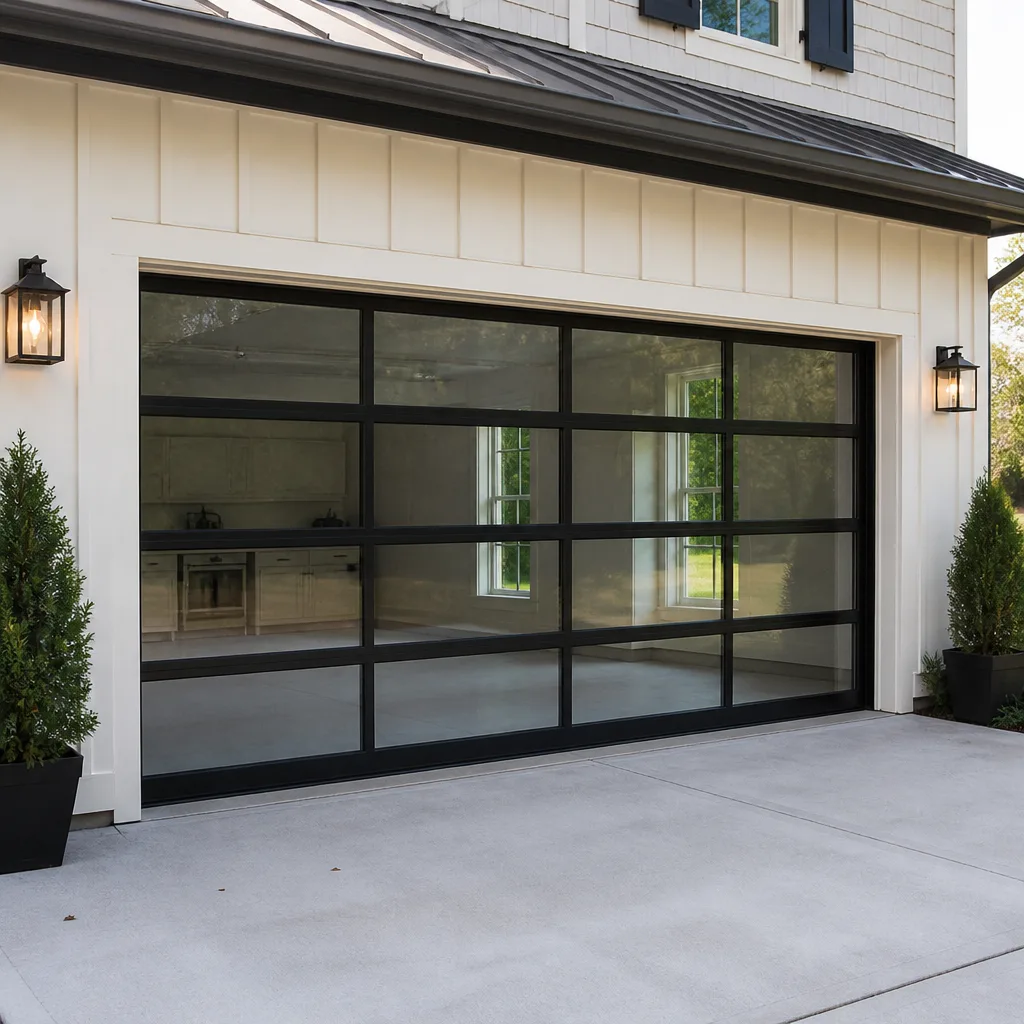 Full-view glass
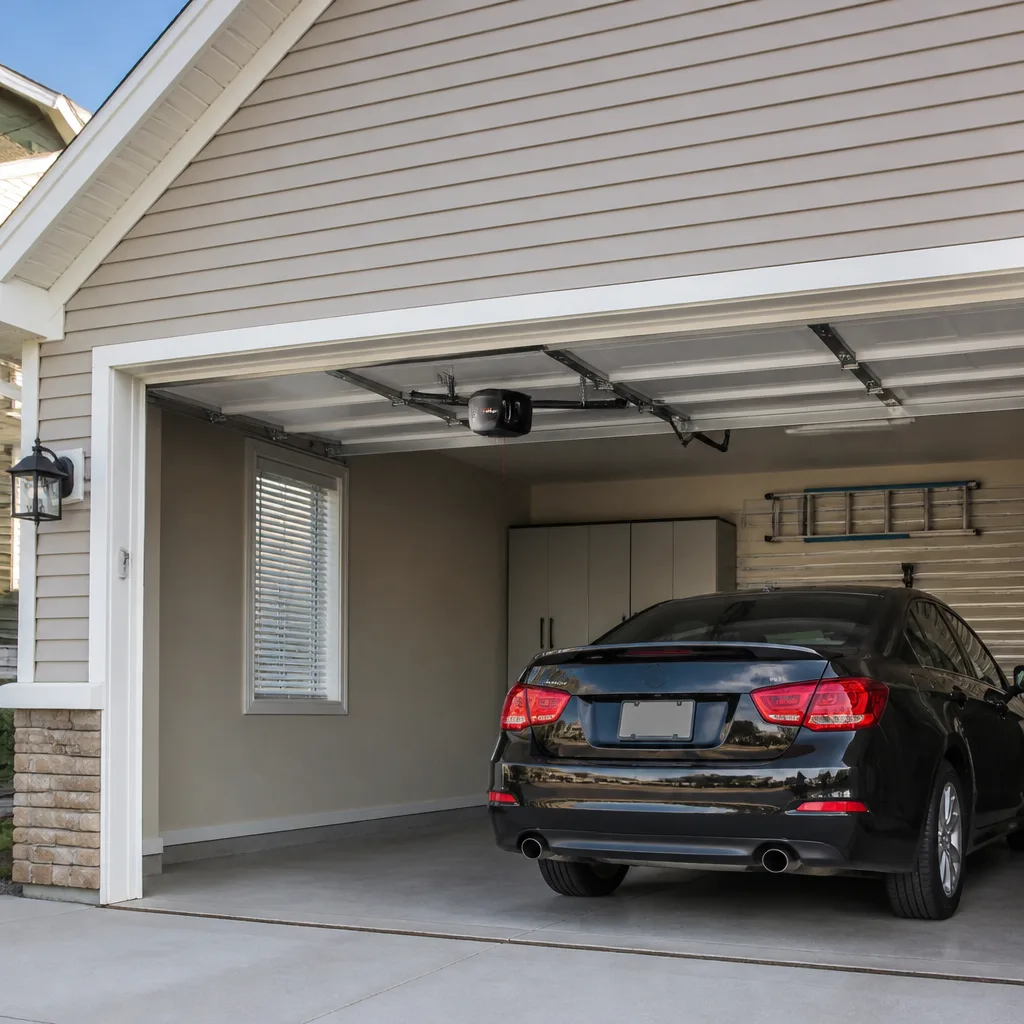 LiftMaster openers
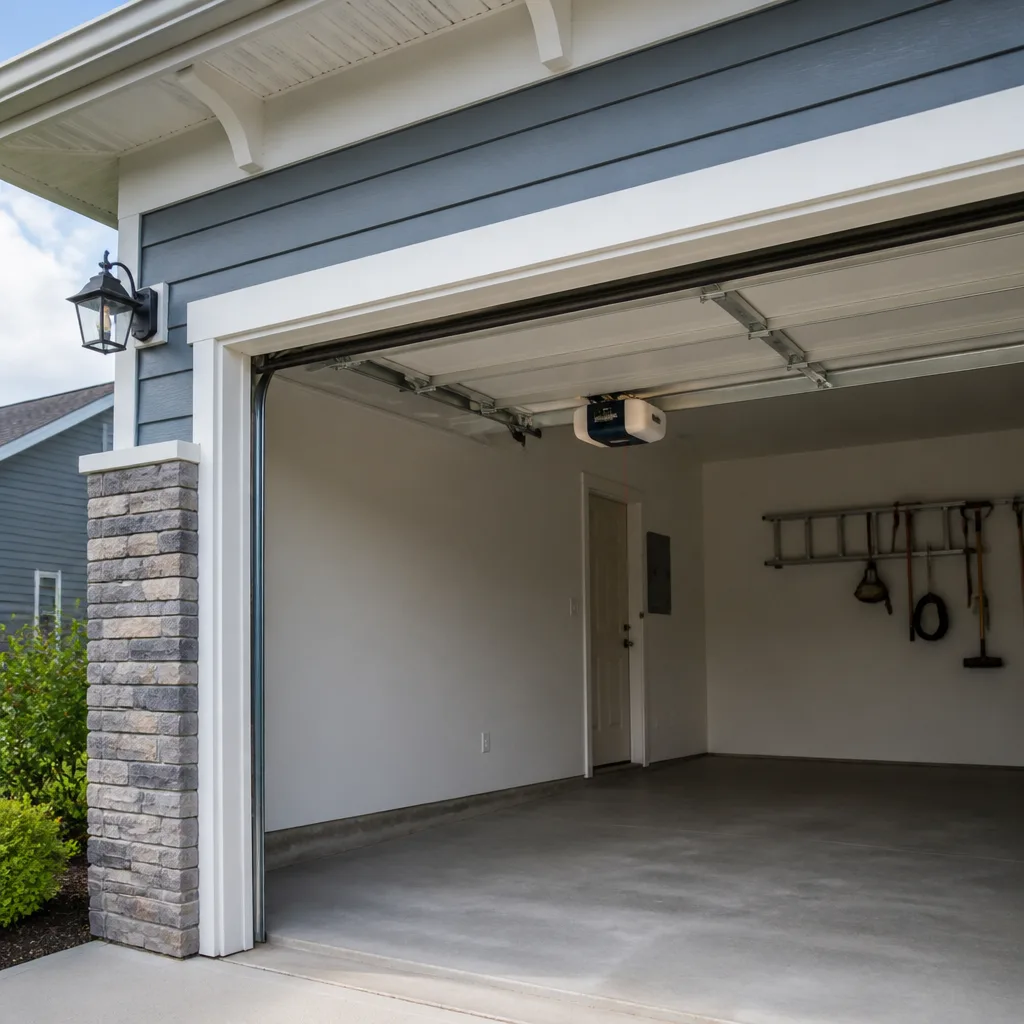 Chamberlain openers
Full 25-point door and opener safety check with every visit - springs, cables, rollers, tracks, and your LiftMaster or Chamberlain opener included
You get a price before we start. It does not change when the pro arrives.
Get your free estimateGarage Door Warning Signs: A South Fulton Homeowner’s Reference Guide
That grinding noise your garage door makes on cold mornings isn’t the door “warming up.” It’s a specific mechanical signal that points to one of three diagnosable problems, each with its own urgency level. Most garage door failures don’t happen without warning – they send signals for weeks or months that homeowners dismiss as normal door noise until a spring snaps or a cable frays completely. By then, a repair you could have scheduled becomes a call you have to make right now. In this guide, we’ll walk through the sounds, the visual cues you can safely check from the floor, and the behavioral changes that tell you what’s happening inside the mechanism. South Fulton homeowners deal with a particular mix of older original spring systems and newer openers, and the warning signs differ between them.
Quick Answer
Garage door warning signs fall into three categories: sounds (grinding, squealing, popping, rattling), visual changes on springs and cables you can safely observe from the floor, and behavioral shifts like slow operation, uneven lifting, or the door reversing before it closes. Grinding and squealing usually mean a scheduled appointment; popping, a visible gap in a spring, or a door that drops suddenly needs same-day attention. When in doubt, treat any change in how your door sounds or moves as a real signal rather than age catching up.
Styles & brands we work with
- Raised-panel steel
- Carriage house
- Modern flush
- Full-view glass
- LiftMaster openers
- Chamberlain openers
Table of Contents
- What the Sounds Are Telling You: A Diagnostic Guide
- Visual Warning Signs You Can Safely Spot From the Floor
- Behavioral Warning Signs: Slow, Uneven, or Reversing Doors
- Scheduled Appointment vs. Same-Day Service: How to Tell the Difference
- Warning Signs in Older South Fulton Homes With Original Torsion Springs
- Why Cold Mornings Make Symptoms Louder in South Fulton
- Opener Warning Signs: Lights, Remotes, and Reversals
- What Routine Care Actually Prevents
What the Sounds Are Telling You: A Diagnostic Guide
Garage doors are mechanical systems with a small number of moving parts, and each part makes a distinct sound when it starts to wear. Learning to separate those sounds is the single most useful diagnostic skill a homeowner can develop. In our experience, the four sounds below account for most of the calls we get in South Fulton, and each one points to a different component.
Grinding. A low, continuous grind usually comes from the rollers or the hinges. Rollers wear out, lose their shape, and start dragging along the track instead of rolling through it. Grinding that gets worse over weeks is almost always roller wear. It’s rarely urgent on its own, but it accelerates wear on the track, so it’s worth booking before the grind becomes a squeal.
Squealing. High-pitched squealing is the sound of metal-on-metal friction with no lubrication. The torsion spring, the hinges, and the track all need periodic lubrication. In South Fulton’s humid summers, the lubricant on older doors can dry out faster than homeowners expect, and squealing shows up mid-summer even on doors that were quiet in spring. A squeal by itself is a maintenance issue – but if the door also starts to lift unevenly, the cause goes deeper than lubrication.
Popping. A single loud pop, or a series of pops as the door moves, is the most serious sound in this list. A torsion spring that pops is usually a spring that has just broken or is about to. A cable that pops has likely slipped a drum. Popping should always be treated as a same-day symptom. Don’t run the door again to see if it repeats; the risk of a sudden drop or a snapping cable isn’t worth the diagnostic value.
Rattling. Rattling during operation usually points to loose hardware – bolts backing out of the hinges, a bracket losing tension, or a track that has shifted out of alignment. Some rattle is normal on an older door, but a rattle that starts suddenly or gets worse over a few days is a sign to get it checked. Loose hardware becomes a safety issue when it lets a panel shift.
The value of this sound guide is triage. Squealing and grinding let you plan a call. Popping tells you to make one today.
Visual Warning Signs You Can Safely Spot From the Floor
You don’t need to climb a ladder to catch most visual warning signs. The springs, cables, and rollers are visible from the floor of the garage, and looking at them from a normal standing position is safe. What you’re checking for is change – something that looks different than it did last month. If you haven’t looked at your garage door mechanism in years, do it once now and note what you see, then check again every few months.
Here’s what to look for, from the floor, without touching anything:
- A visible gap in the torsion spring. A torsion spring sits horizontally above the door. If the coil has a clear break – two sections with a gap between them – the spring has failed. Stop running the door.
- Frayed or kinked cables. Cables run along the sides of the door. They should look like tight, smooth wire. Fraying, kinks, or a cable that appears to be off its drum are all warning signs. Cables are under extreme tension and should never be touched or adjusted by a homeowner.
- Sagging panels. Stand back and look across the door. The panels should form a straight plane. A sagging panel usually means failed hardware or a bent track.
- A track that’s bent or out of alignment. Look up at the track where the rollers run. Bends, dents, or a track that has pulled away from the door frame are all real issues. A pinched section of track will catch a roller and force the opener to work harder than it was designed to.
- Rust on the bottom panel. South Fulton’s humid summers take a toll on steel doors, especially at the bottom panel where moisture collects. Rust on the bottom edge is a good signal to inspect the paint and consider a door replacement before the panel rusts through.
- Loose hinges and brackets. Look at where the hinges attach. If a bracket is visibly pulling away from the door or showing a gap, that’s a hardware problem worth booking.
What you should never do is try to relieve spring tension, adjust a cable, or reach into the mechanism to see what’s loose. High-tension garage door springs and the cables attached to them are the most dangerous parts of the system. They carry enough stored force to cause serious injury, and this work belongs to a trained technician with the right tools. What you can do is look, note, and call.
When you call, garage door spring repair is one of the first things we ask about, because spring failure is both the most common cause of a door that won’t open and the most dangerous symptom to ignore.
Behavioral Warning Signs: Slow, Uneven, or Reversing Doors
Behavioral warning signs are changes in how the door moves, not how it sounds. They’re easy to dismiss because the door still opens and closes, and a slightly slow door rarely feels like an emergency. But each of these behaviors points to a specific mechanical cause, and catching them early is what turns a scheduled repair into a repair that doesn’t happen at the worst possible moment.
Slow operation. A door that opens or closes noticeably slower than it used to is usually fighting something – a track that’s out of alignment, rollers that are dragging, or a spring that has lost some of its lift. On a newer opener, a door that suddenly runs slow can also indicate that the opener’s sensors are picking up resistance it didn’t used to see. Slow isn’t a same-day symptom, but it’s a real signal that something is wearing.
Uneven lifting. Stand back and watch the door as it opens. Both sides should rise at the same rate. If one side lags, the door is lifting unevenly, and that’s almost always a sign of a spring or cable problem on one side. Uneven lifting puts extra strain on the opener and can twist the door panels. It should be booked before it gets worse.
The door reverses before closing. A door that goes down a little and then reverses is usually responding to its safety sensors. The sensors at the bottom of the track may be misaligned, dirty, or blocked. If the door reverses even when nothing is in the way, the sensors need attention. If the door reverses only when something is in the path, the sensors are doing exactly what they should – that’s the safety feature working, not a fault. What you’re looking for is a door that reverses when the path is clear.
A door that won’t stay fully closed. If the door closes and then immediately opens again, the opener may be hitting its travel limit or reading resistance it interprets as an obstacle. This is a common issue on older LiftMaster and Chamberlain units that have never been recalibrated. It’s also a security problem, because a door that won’t stay closed isn’t locked.
A door that hangs partially open. If the door stops mid-travel, the opener may have lost its programming or a spring may have failed. Stop and look at the springs before pressing the button again. A door that’s been pushed partway up by a failing spring can drop when it’s released.
Behavioral signs are the category homeowners miss most often. Sound gets your attention. A door that’s slightly slow does not. In South Fulton, where many homes have the same door hardware they were built with, a slow door is often a five-year-old slow door, not a one-week-old slow door – and that’s exactly the kind of warning sign that’s worth a phone call before it becomes a repair you have to make on a Sunday morning.
Scheduled Appointment vs. Same-Day Service: How to Tell the Difference
The most useful thing this guide can do for you is help you decide how fast to act. Not every warning sign needs the same response. Some are signals to book a repair in the next week or two. Others mean stop using the door and call today. Getting that triage right is what keeps a small repair from becoming a bigger one.
Schedule an appointment (not urgent, but don’t sit on it):
- Grinding that has been getting gradually louder over weeks
- Squealing that only appears on some days
- Rattling hardware that you can see is loose but hasn’t caused the door to move differently
- A door that’s noticeably slower than it used to be
- Rust on the bottom panel where the paint has failed
- A door that reverses on a clear path, but only occasionally
- Bottom weather seal that’s worn or torn
Call for same-day service:
- Any popping sound, single or repeated
- A visible break or gap in the torsion spring
- A cable that’s frayed, kinked, or off the drum
- A door that hangs partway open or drops when moved
- A door that won’t close and stay closed
- A door that’s visibly off its tracks
- A car trapped inside the garage with a door that won’t open
If you’re not sure which column your symptom belongs in, call and describe what you’re hearing and seeing. We can usually tell from a two-minute conversation whether it’s a scheduled repair or a same-day call. Emergency service for a broken or unsafe door is a standing offering for us, not an exception – we’d rather talk you through the triage than have you run the door again to see what happens.
Two things are true about pricing across both columns. First, the estimate is free. Second, the price is set per job by the written estimate – we quote and agree the price before any work starts, so you know what the repair costs before a technician touches the door. A warning sign you act on early is often a smaller repair than the same warning sign after it has failed completely.
Warning Signs in Older South Fulton Homes With Original Torsion Springs
A large share of the housing stock in South Fulton was built in the 1980s, 1990s, and early 2000s, and many of those homes still have the original torsion spring system on the original door. Original springs aren’t inherently a problem – torsion springs are designed to last years, and a well-maintained one can run long past the point most homeowners expect. But original springs fail in predictable ways, and the warning signs look different on a 25-year-old door than on a door installed five years ago.
Here’s what we see most often on older South Fulton doors:
- A door that’s gotten heavy. If lifting the door by hand takes noticeably more effort than it used to, the spring has lost some of its stored energy. A properly balanced door should lift with one hand and stay put when you let go halfway up. A door that sags back down is telling you the spring is tired.
- Two springs, one broken. Many older doors have a matched pair of torsion springs, and one will often break before the other. If one spring has failed, the matched pair is usually replaced together – a pair is the right repair, and it prevents a return visit when the second spring gives out.
- Original cables with visible wear. Cables on older doors fray at the drum end first, and the fraying is often visible from the floor as a fuzzy or uneven edge. Fraying cables should be replaced before they snap.
- Hinges that have stretched. Old hinges develop play in the pivot points. The door will start to rattle more and the panels will sag slightly over time.
- Openers that are at end of life. Many original openers on older South Fulton homes are chain-drive units from Chamberlain or Genie that have been running since the house was built. They develop behaviors over years – slow travel, false reversals, remotes that only work up close – that are warning signs the opener itself is ready to be replaced.
If you’re in an older South Fulton home and you’re not sure when the springs were last replaced, the honest answer is often that they haven’t been. That’s not a reason to panic, but it is a reason to look at the springs once and know what shape they’re in. A visible gap in the coil, a door that’s gotten heavy, or a door that won’t lift past a certain point all warrant a call. For the full lifecycle work on a door of this age, our garage door repair service covers springs, cables, rollers, and hinges in one visit, which is usually the right approach on a system with this much shared wear.
Why Cold Mornings Make Symptoms Louder in South Fulton
Cold weather doesn’t cause garage door failures, but it exposes them. Metal contracts in cold temperatures. Lubricant thickens. Springs get slightly stiffer. On a door that’s already beginning to wear, the change in temperature is often what tips a marginal part from quiet to noisy.
That’s why “it only does it in the cold” is one of the most common things we hear from South Fulton homeowners. The door isn’t misbehaving – the cold morning is revealing a symptom that was there in milder weather but not loud enough to notice. The grinding, the squealing, and the slightly slow lift are all more obvious when the temperature drops. If a symptom only shows up on cold mornings, it’s still a real symptom.
South Fulton’s humidity adds a second seasonal effect. In the humid months, moisture works into the paint on the door panels, into the hinge pivot points, and into the track. Steel doors rust at the bottom panel where the moisture collects and the paint fails. Wood-look doors swell slightly at the seams. Rollers get sluggish. None of this is dramatic, but it adds up over years, and it’s the reason doors in this part of Georgia often show their age at the bottom panel before anywhere else.
The practical takeaway is to pay attention to your door in the first cold snap of the fall and the first humid week of the summer. Those are the two points in the year when a marginal symptom becomes obvious. If something sounds different in either of those windows, that’s your cue to look and, if it’s serious, call.
Opener Signs: Lights, Remotes, and Reversals
Openers have their own set of warning signs, separate from the door itself. Since we work on LiftMaster, Chamberlain, Genie, and Craftsman systems regularly, we see the same handful of patterns on older openers again and again. Learning to spot them helps you decide whether the door needs service, the opener needs service, or both.
- The opener’s light flashes a specific pattern. Most modern openers use the light to signal a fault code. A few flashes may mean the sensors are blocked; a different count may mean the door’s travel limit has been lost. If your opener’s wall panel or manual has a fault code chart, that chart is the fastest way to know what the opener is telling you.
- The remote only works from close range. Remotes that used to open the door from down the block and now only work from the driveway usually have a failing battery or a weakened receiver. On older units, the receiver is often the culprit, and that’s a sign the opener is nearing end of life.
- The door reverses on its own with nothing in the way. This is almost always a sensor alignment or a limit switch problem. On some openers, the sensors are slightly out of alignment and will read an obstacle where there isn’t one. On others, the opener’s force limit has drifted and needs recalibration.
- The wall button works but the remote doesn’t (or the reverse). This tells you the fault is in the remote or the receiver, not the door’s mechanical system. It’s a repair, but not a dangerous one – the door itself is fine.
- The opener runs but the door doesn’t move. This one is serious. If you hear the opener motor running but the door stays put, the drive gear or the belt/chain has failed, or the door is mechanically locked up. Don’t keep pressing the button. A stuck door with a running opener puts strain on the whole system and can cause a sudden release.
If your symptoms point toward the opener rather than the door, garage door opener repair covers the diagnosis. On a LiftMaster or Chamberlain unit, the fix is often a sensor alignment or a limit recalibration. On an older Genie or Craftsman opener, we may recommend replacement if the failure is in the drive system and the unit is past its serviceable life. We’ll tell you which one you’re looking at before the work starts.
What Routine Care Actually Prevents
We won’t oversell maintenance. A garage door isn’t a car. But the small amount of routine attention a door needs does prevent specific failures, and it makes the warning signs easier to spot because you know what your door looks like when it’s healthy.
Here’s what routine care actually does:
- Lubrication on hinges and rollers reduces grinding and squealing. It doesn’t fix a worn roller, but it slows wear and makes the door quieter, which makes new sounds easier to notice.
- Track inspection catches alignment issues early. A track that’s slightly out of alignment gets a roller caught, and that caught roller is what bends the track further. Catching it early keeps the repair small.
- Balance testing catches a tired spring. With the door disengaged from the opener, a balanced door should lift easily and stay put at any position. A door that won’t stay up is telling you the spring has lost stored energy. (Only test this if the door is fully intact and the springs show no visible damage. If anything looks wrong, skip the test and call.)
- A check of the safety sensors keeps the reversal behavior honest. Sensors get bumped, dusty, and slightly misaligned. A regular check makes sure the door reverses when it should and doesn’t when it shouldn’t.
- Bottom seal replacement keeps moisture out. A worn bottom seal lets humidity work into the bottom panel, and that’s the panel that rusts first.
What routine care does not do is fix a broken spring or a frayed cable. Those are always a technician’s job. The value of a maintenance check on a South Fulton door is that it puts trained eyes on the parts you can’t safely touch, and it catches the small problems before they turn into the ones you have to call about in a hurry.
Common Mistakes to Avoid
- Pressing the button again to “see if it does it this time.” If the door is popping, hanging partway open, or has a visible spring break, running it again is how a manageable failure becomes a dangerous one. Stop, look, and call instead.
- Treating a slow door as normal because it’s an old door. A door that has always been slow isn’t the same as a door that’s gotten slow. Age isn’t a cause – wear is. If the door moves differently than it did a year ago, it’s a signal.
- Assuming “it only does it in the cold” means it’s harmless. Cold mornings reveal symptoms that are there year-round. A symptom you can only hear in January is still a symptom in July.
- Reaching for the spring to see if it’s loose. High-tension springs and cables are under enough force to cause serious injury. Never touch them, never try to adjust tension, and never ask a neighbor to take a look. This is the one part of the door that’s never a DIY project, and it’s a core part of the work we do as a spring specialist.
- Replacing the opener when the door is the problem. We see this often in South Fulton – a homeowner replaces a working opener because the door was grinding, then finds the grind is still there. The opener pushes the door; the door moves itself. If the door is off its tracks or the spring is tired, a new opener doesn’t fix either.
- Ignoring a track that’s been bumped. A car bumper nudging the track by an inch looks minor, but it pinches the roller and stresses the opener on every cycle. Track alignment is a repair, not a cosmetic issue.
- Using a general handyman for spring or cable work. The mechanism is a distinct trade. General handymen who work across plumbing, HVAC, and doors rarely have the right tools for high-tension springs, and a spring that’s replaced with the wrong size will fail early or leave the door out of balance.
See the difference
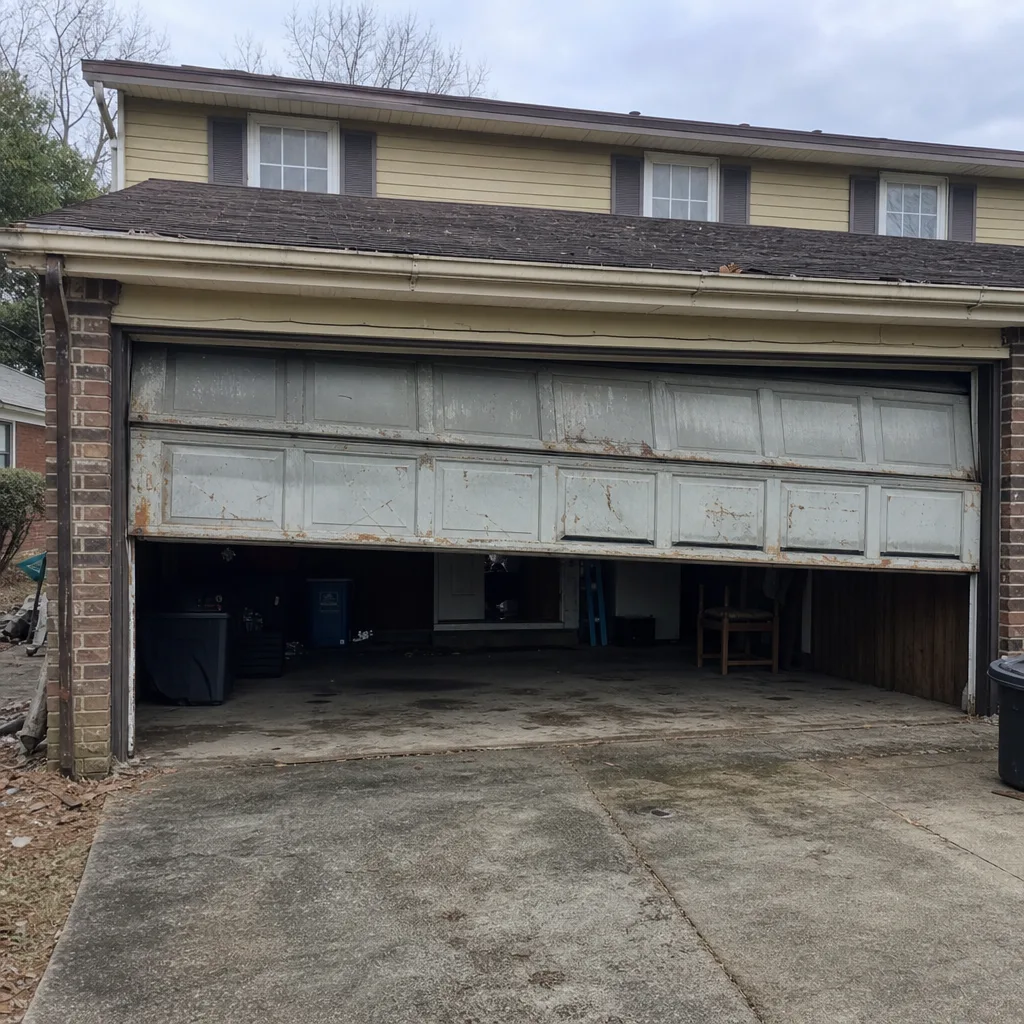 Before
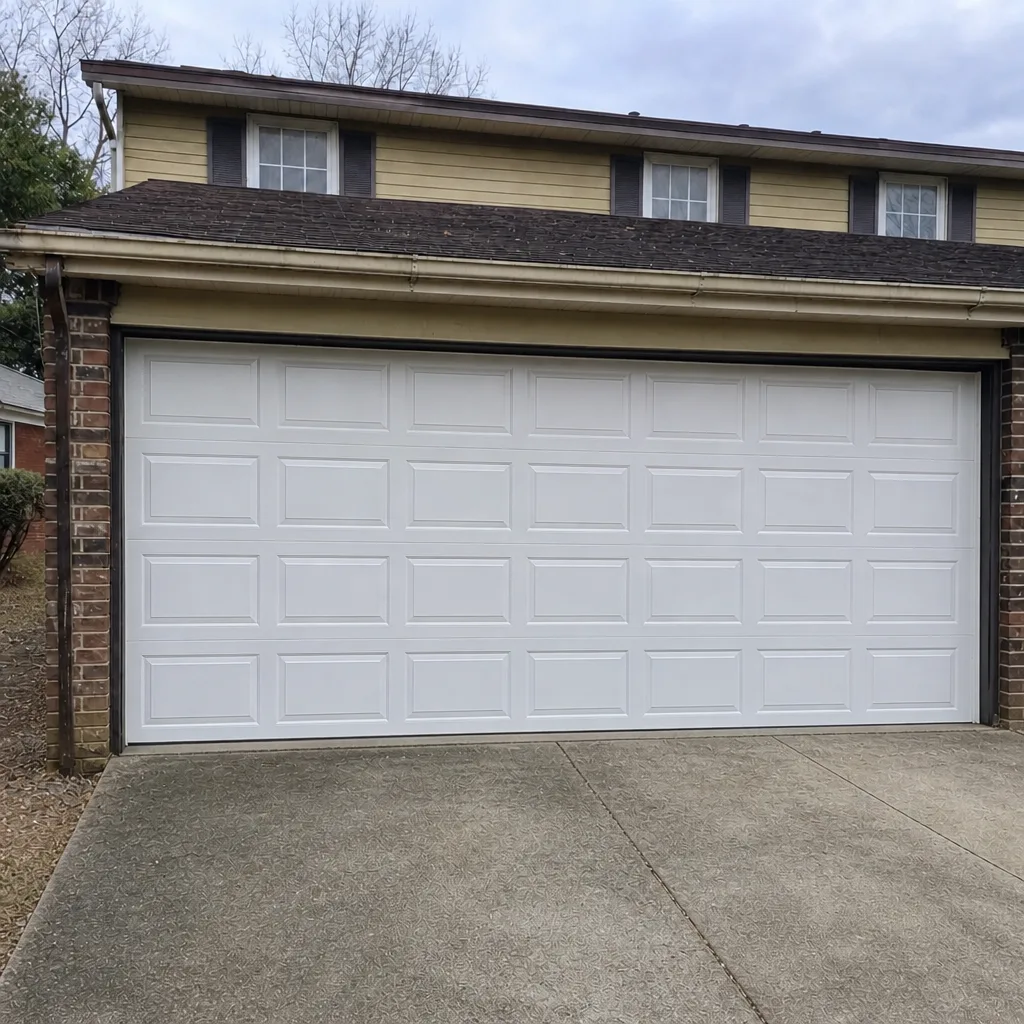 After
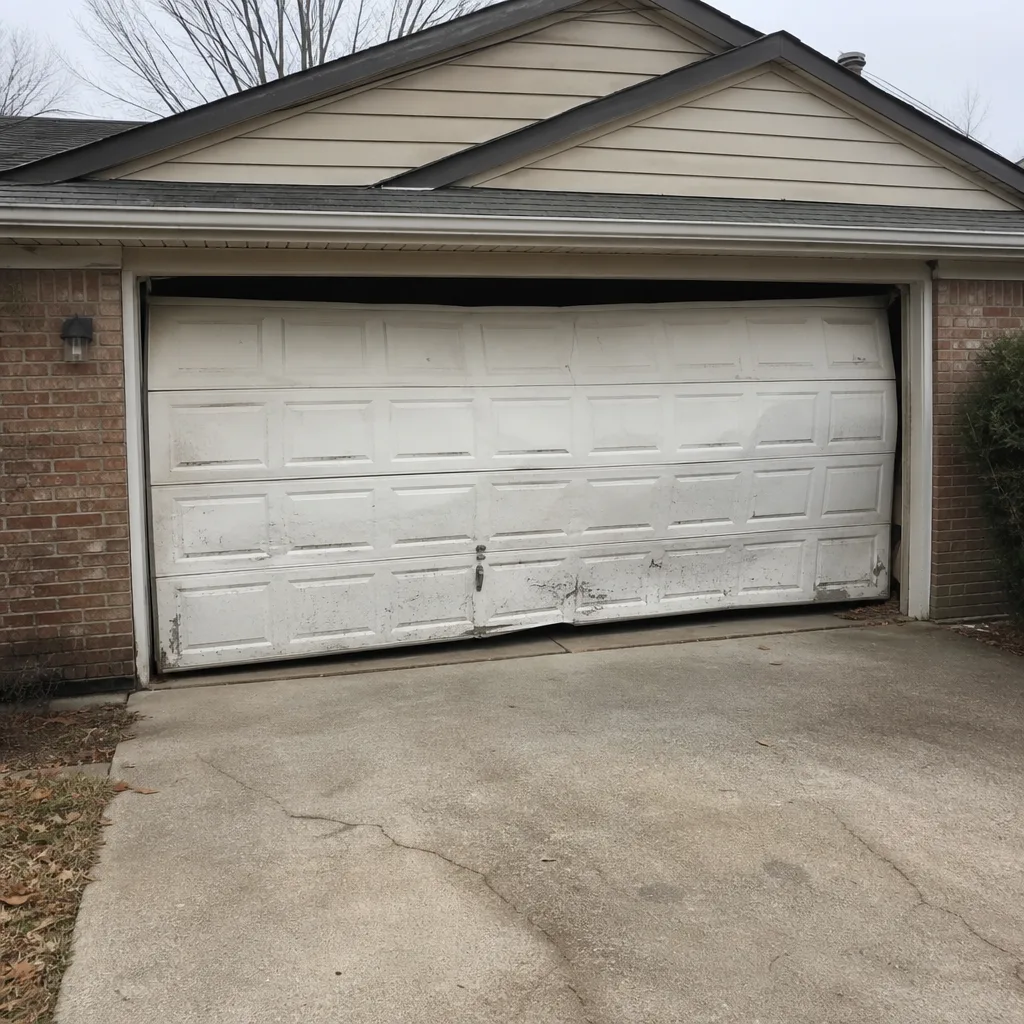 Before
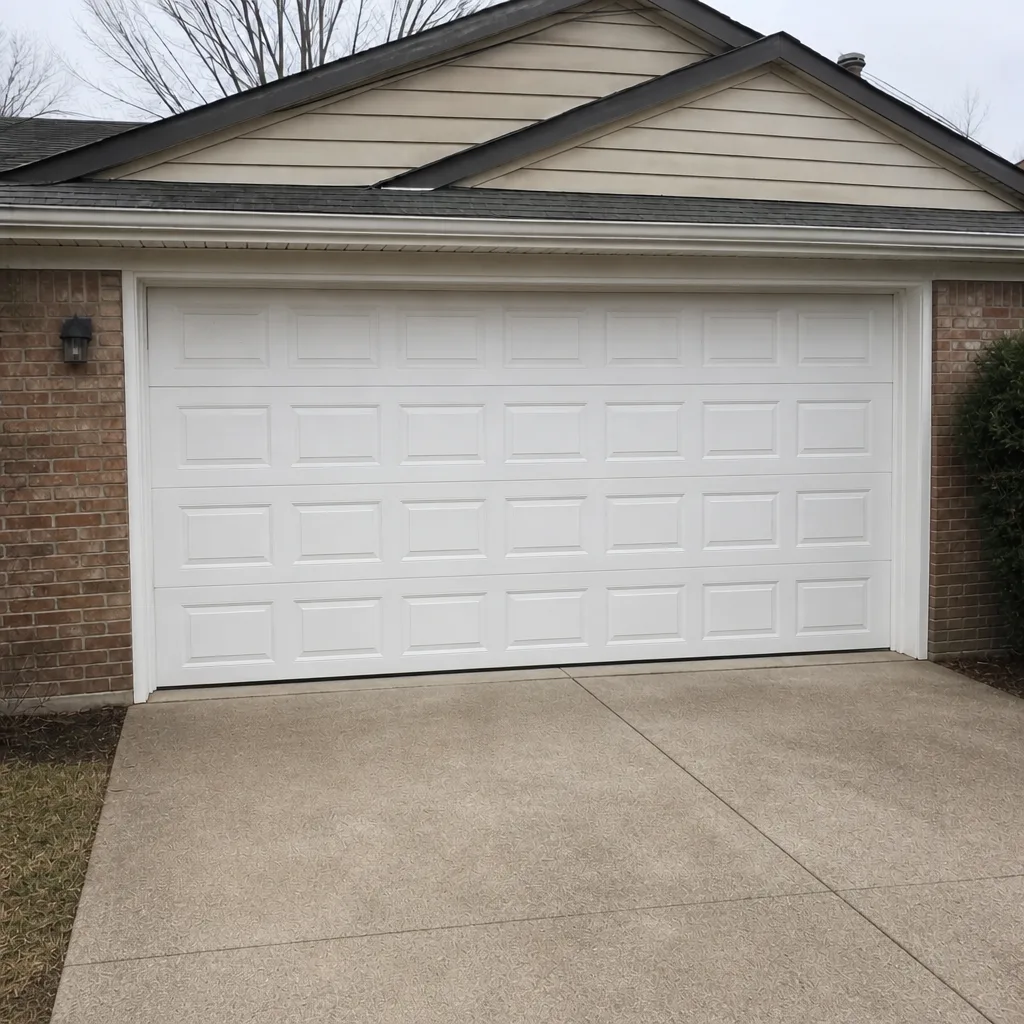 After
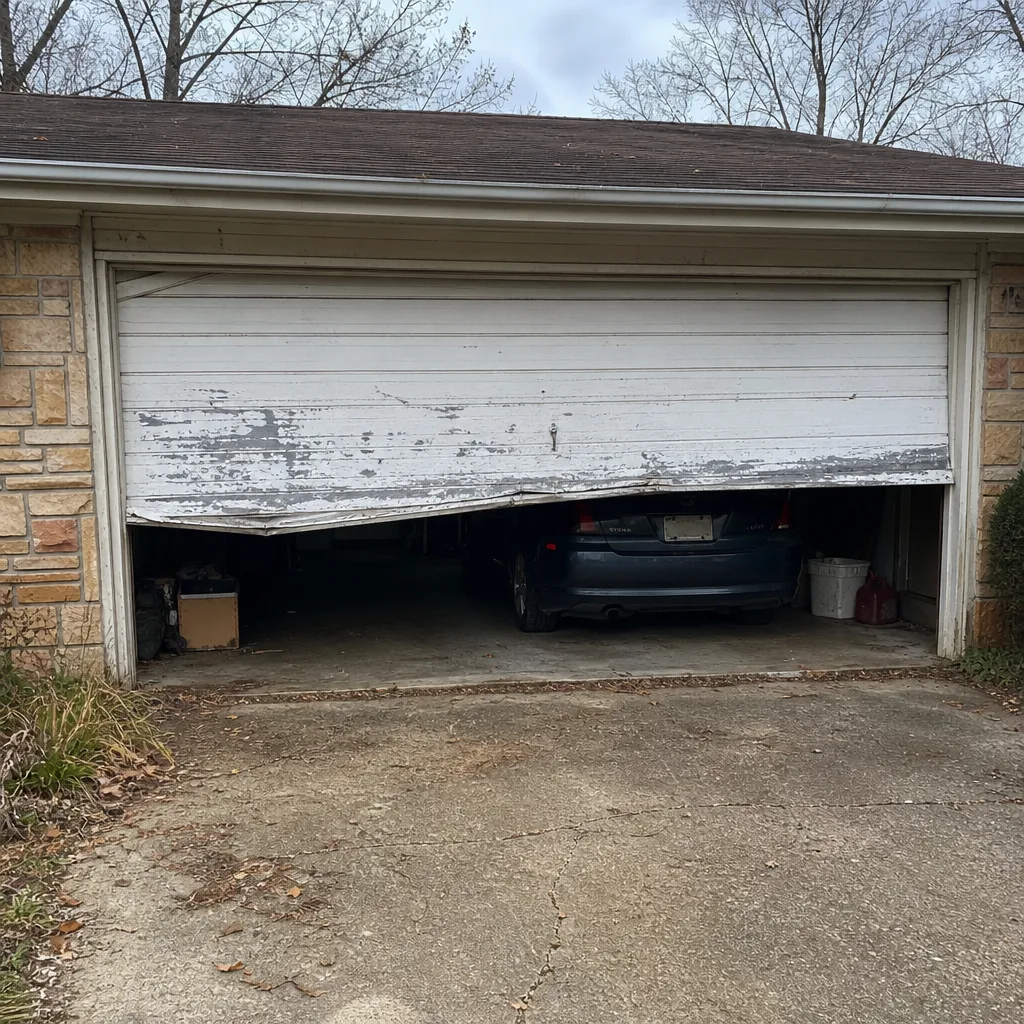 Before
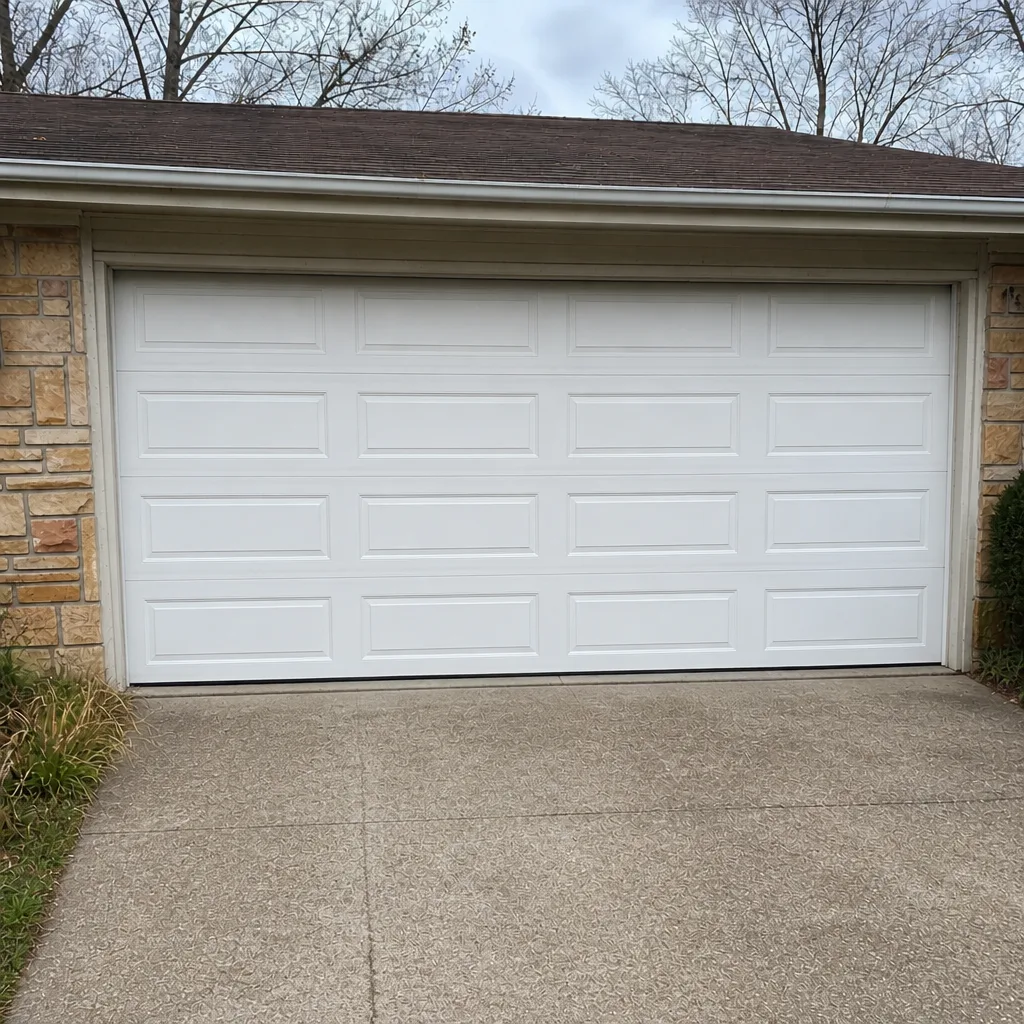 After
When to Call a Professional
Call a professional for any of these: a popping sound, a visible break in the torsion spring, a frayed or detached cable, a door that hangs partway open, a door that drops when moved, a door that’s off its track, a door that won’t close and stay closed, or an opener that runs without moving the door. These are the situations where continuing to use the door is the risk, not the repair itself. For the non-urgent signs – grinding, squealing, a slow door, a door that reverses on a clear path – a scheduled appointment is the right call, and acting early keeps the repair smaller.
South Fulton Garage Door Repair Pros offers free estimates in South Fulton – call (833) 348-5996. We work on LiftMaster, Chamberlain, Genie, Clopay, Amarr, Wayne Dalton, Craftsman, and Raynor systems, so there’s no “we don’t work on that brand” dead end. Our technicians have up to 8 years of experience, and garage doors are all we do. Spring repair, cable repair, opener work, and full door installation are all handled by the same specialist. If the door needs to come out and a new one needs to go in, our garage door repair and installation service covers the whole system, from the panel to the opener to the hardware.
Frequently Asked Questions
A popping sound or a visible gap in the torsion spring is the most serious warning sign, and both mean stop using the door and call today. Popping usually means a spring has just broken or a cable has slipped. Those parts are under extreme tension, and running the door again is the risk. Call (833) 348-5996 to schedule same-day service.
Usually not immediately – grinding typically means worn rollers or hinges, and it’s a scheduled repair rather than an emergency. It isn’t harmless, though. Grinding rollers wear the track, so catching it early keeps the repair small. Book an appointment when you first notice it and don’t wait for it to turn into a squeal or a rattle.
There are three signals a spring is nearing failure: a door that has gotten noticeably heavier to lift, a door that won’t stay up when you lift it halfway, and a visible gap or bend in the coil. If any of the three show up, call for service before the spring fails. Don’t reach for the spring to check tension yourself – that part is a technician’s job. Call (833) 348-5996 for a free estimate.
It’s common, but it isn’t normal – cold weather reveals wear that’s already there. Metal contracts, lubricant thickens, and a marginal part that was quiet in mild weather becomes noisy. A symptom that only shows up in the cold is still a symptom, and it’s worth a look. We can usually tell from a short call whether it’s a scheduled repair or something that needs same-day service.
No. Torsion springs and the cables attached to them carry enough stored force to cause serious injury, and the wrong tools or the wrong technique can release that force unpredictably. Spring repair is a specialist job, and we handle it as a core service for South Fulton homeowners. Call (833) 348-5996 for a free estimate and let a trained technician do this one.
Yes. We work on LiftMaster, Chamberlain, Genie, and Craftsman openers, including older units that have been in place for years. Some older openers are repairable and some are past the point of a good repair, and we’ll tell you which one you’re looking at before the work starts. The written estimate sets the price either way. Call (833) 348-5996 to book a free estimate.
The Bottom Line
Garage door failures rarely happen without warning. The sounds, the visual cues, and the changes in how the door moves are all real signals, and the difference between a small repair and a bigger one is usually how fast you respond. Grinding and squealing can wait for a scheduled visit; popping, a broken spring, or a frayed cable cannot. If you’re in South Fulton and the door is an older original system, look at the springs once, know what shape they’re in, and check again in a few months. If anything you hear or see seems serious, stop using the door and call. We answer 24/7. Call (833) 348-5996 for a free estimate and fast dispatch from 7am to 7pm, Sunday through Friday.
Written by the team at South Fulton Garage Door Repair Pros.