
Last updated November 22, 2026
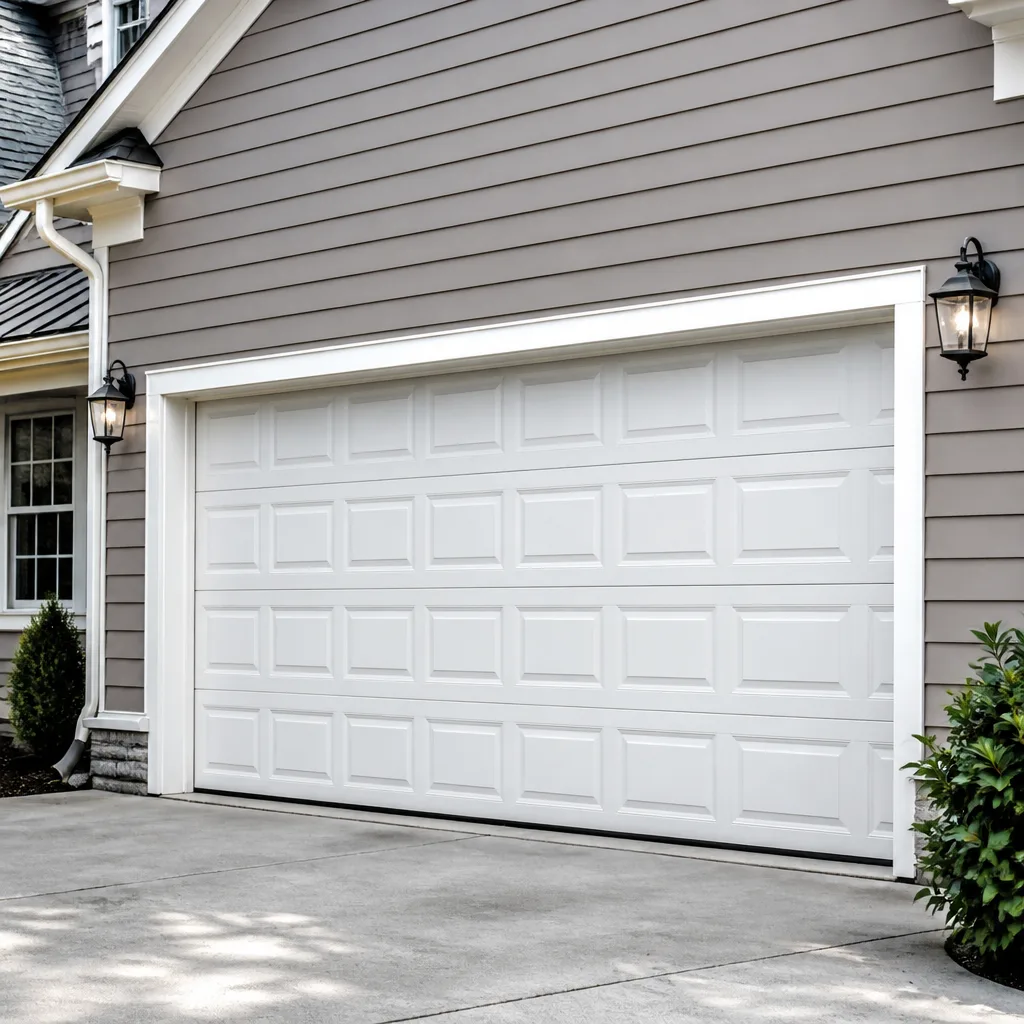 Raised-panel steel
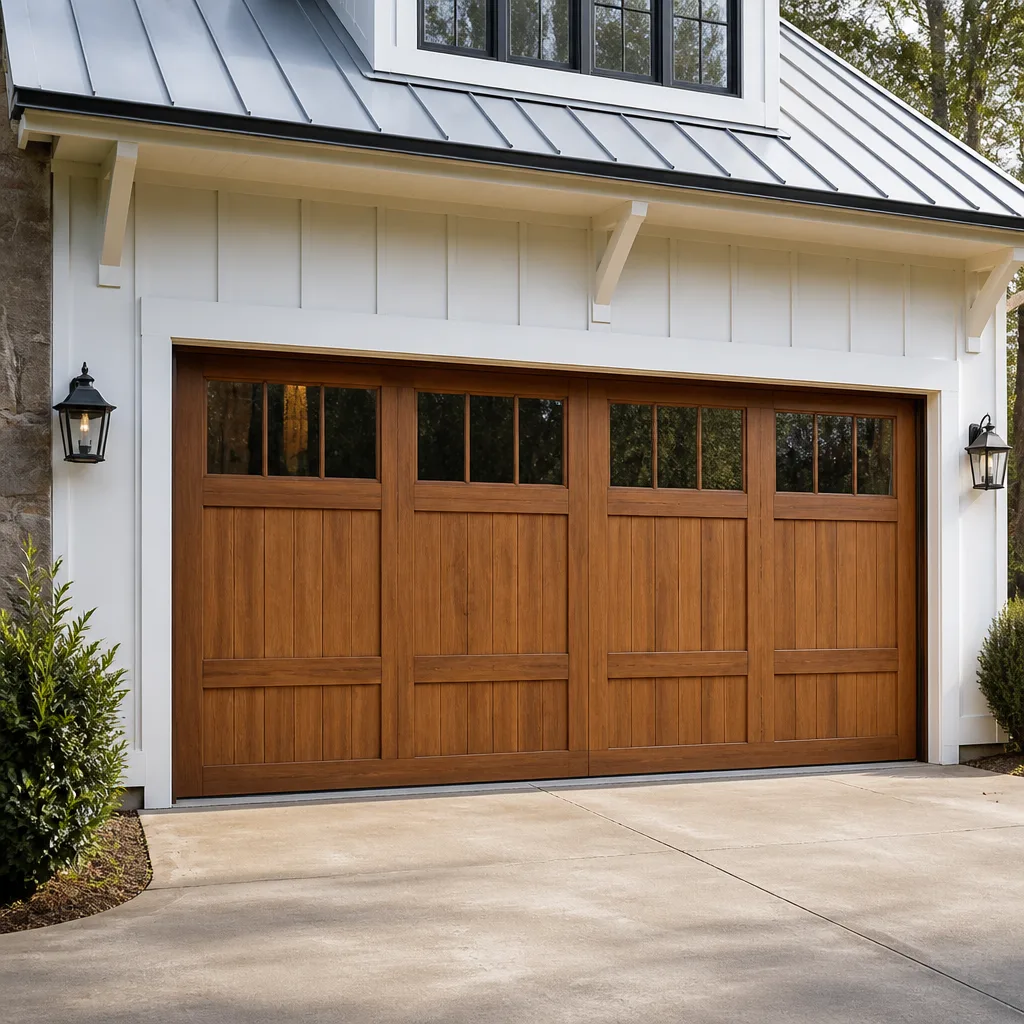 Carriage house
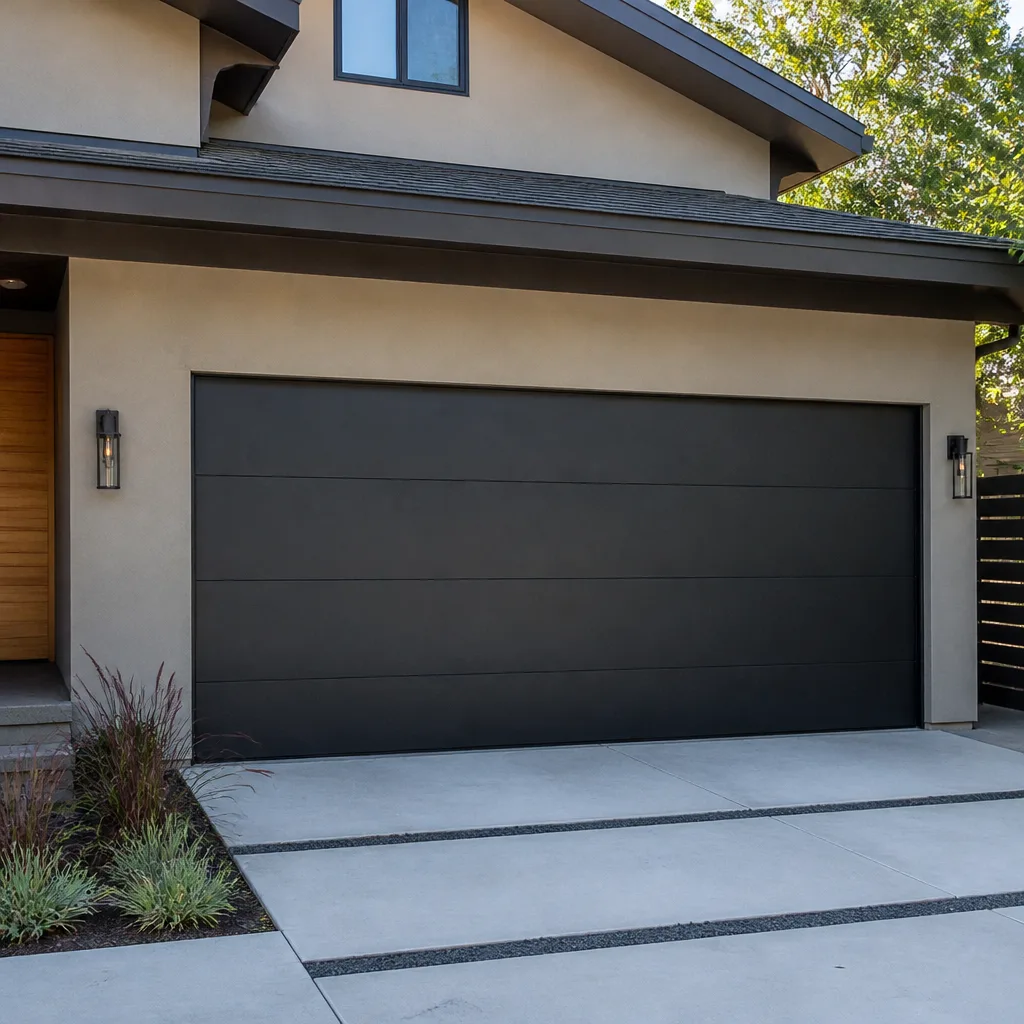 Modern flush
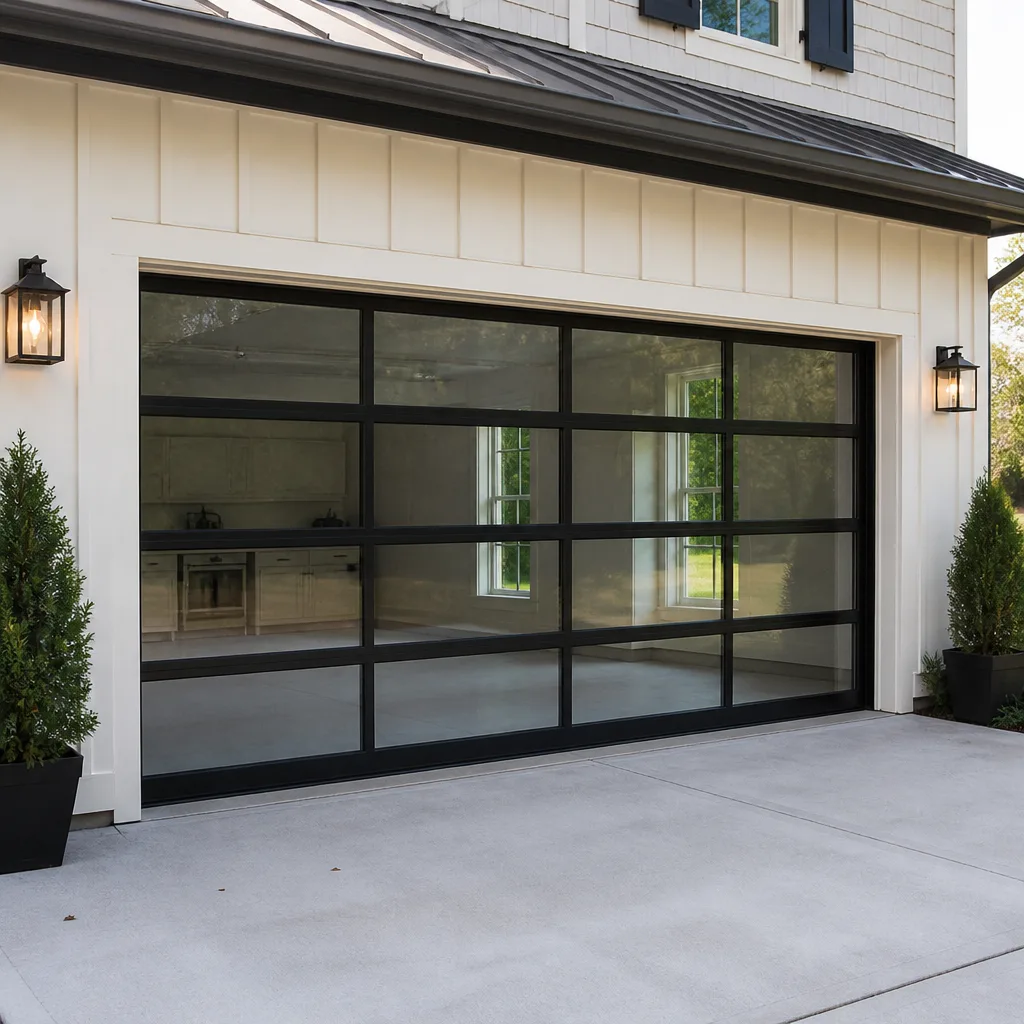 Full-view glass
 LiftMaster openers
 Chamberlain openers
Full 25-point door and opener safety check with every visit - springs, cables, rollers, tracks, and your LiftMaster or Chamberlain opener included
You get a price before we start. It does not change when the pro arrives.
Get your free estimateGarage Door Permits, Codes & Inspections in South Fulton, GA: What You Need to Know
Most South Fulton homeowners assume the contractor handles everything. In reality, the permit is often the one part of a garage door project nobody talks about until it becomes a problem. If you replaced a door or opener without the right paperwork and your home inspector flags it during a sale, you’re the one responsible for making it compliant, not the crew that drove away. This guide walks through when a permit is actually required in South Fulton, which jurisdiction you’re dealing with, what the state codes say about installation and safety, how to confirm your contractor is pulling the permit, and why an HOA sign-off is never the same thing as code approval.
Quick Answer
A permit is typically required in South Fulton when you’re installing a new garage door, replacing the door and its supporting structure, or altering the opening or framing. Simple repairs like spring swaps, opener replacement, or panel repair generally don’t need one. When a permit is required, it’s the property owner who stays on the hook for compliance, even after a contractor is gone. Confirming permit responsibility before work starts is the single most important step you can take.
Styles & brands we work with
- Raised-panel steel
- Carriage house
- Modern flush
- Full-view glass
- LiftMaster openers
- Chamberlain openers
Table of Contents
- Which Jurisdiction Do You Fall Under in South Fulton?
- When Do You Need a Garage Door Permit in South Fulton?
- What the Georgia State Minimum Standard Codes Require
- How to Confirm Your Contractor Is Pulling the Permit
- What a Failed Inspection Means and Who Pays
- HOA Approval vs. Code Compliance
- What Inspectors Actually Check
- Safety Systems, Springs, and Why This Isn’t DIY Work
Which Jurisdiction Do You Fall Under in South Fulton?
This is the distinction that trips up more homeowners than any other part of the process. South Fulton sits inside Fulton County, but the City of South Fulton has its own permitting authority for properties within the city limits. Where your home is located determines which building department you’ll deal with, and the two don’t always share the same forms, timelines, or review process.
If you’re inside the incorporated limits of South Fulton, you’ll generally work with the city’s permitting office. If you’re in an unincorporated portion of Fulton County, county building services takes the lead. That sounds simple, but a lot of homes near the boundary lines create confusion, and some contractors quote the wrong jurisdiction without checking.
How to tell which applies to you
- Check your property tax bill or closing documents for the municipality that assesses your property.
- Look at your address on the county’s online GIS or property lookup tool.
- Call the building department directly and give them the address before any work is scheduled.
The stakes are real. If a permit is filed with the wrong jurisdiction, it may be rejected, delayed, or worse, considered unpermitted after the fact. Once the door is installed and the truck is gone, correcting a jurisdiction error means retroactive paperwork and a possible re-inspection, and you’ll be paying for that out of pocket. In our experience working across South Fulton, we’ve seen this happen most often near the edges of the city where the municipality and the county meet. Ask the question before you sign anything, not after.
When Do You Need a Garage Door Permit in South Fulton?
Not every garage door project requires a permit, and knowing the difference saves time and money. The pattern most jurisdictions follow is that structural work and replacement of the full door assembly typically need one, while repair and component-level swaps usually don’t. In South Fulton, that split holds.
Usually requires a permit
- Installing a new garage door in a new opening
- Replacing the entire door with a different size or model
- Changing the header, framing, or structural supports around the opening
- Replacing a manual door with an automated door system
- Any work that alters the wall or load path above the opening
Usually does not require a permit
- Replacing springs, cables, rollers, or hinges
- Swapping or repairing an opener of the same type
- Replacing a single damaged panel with a matching one
- Replacing remotes or safety sensors
- Routine adjustments and lubrication
This is one of the areas where a specialist helps. A garage door company that works in South Fulton regularly knows what the city permit office expects, and a general handyman usually doesn’t. If the scope of work is unclear, a quick call to the building department settles it. And be cautious with a contractor who says “you don’t need a permit for that” without having checked with the jurisdiction first. That answer may be right, but it should come from the office, not from habit.
What the Georgia State Minimum Standard Codes Require
Georgia adopts a set of codes known as the State Minimum Standard Codes, which local jurisdictions adopt or amend. For garage doors, the two areas that matter most are wind load requirements and safety reversal systems.
Wind load
Garage doors are the largest moving opening on most homes, and they’re engineered to resist wind pressure specific to the region. A door sized and rated for a different climate may not meet the minimum required locally, and that’s one reason installation isn’t the same task as swapping a like-for-like panel. Another reason is that a door rated for the wrong wind load can affect your homeowner’s insurance and can come up during an inspection.
Safety reversal systems
Every automated garage door has two safety features required by code, and both are commonly checked during an inspection:
- Photoelectric sensors that stop and reverse the door if something crosses the path.
- Contact reversal that sends the door back up if it meets resistance while closing.
If either feature is faulty, the door is not code compliant, and it’s a serious safety issue if there are children or pets in the home. We treat safety reversal as a routine part of every installation and repair because it’s the feature that prevents the door from closing on a person or a car.
Electrical work and openers
Wiring a new opener circuit or adding a receptacle in the garage may fall under electrical code requirements too, depending on what’s involved. Anything involving the electrical panel or new wiring should be handled by a licensed electrician, not a garage door technician. This is a place where we routinely hand the job off to a licensed trade partner, because working inside a panel is a genuine hazard and not something we take on.
How to Confirm Your Contractor Is Pulling the Permit
This is the step that decides who owns the problem later. Some contractors don’t pull permits because it costs them time and money, and because they assume the homeowner won’t ask. When the job is finished and the paperwork was never filed, the responsibility defaults to you. It’s not always clear after the fact, and it’s very clear when you try to sell the house.
A five-step confirmation routine
- Ask directly, in writing: “Will you pull the permit for this job, and will it be under your name or mine?”
- Get the answer in your quote or contract, not in a conversation you can’t prove later.
- Before work starts, ask for the permit application number or a photo of the posted permit.
- Verify the permit number with the relevant building department (City of South Fulton or Fulton County, depending on your address).
- After the job, keep the approved inspection record with your closing documents.
A contractor who pulls permits is a contractor who expects to pass inspections. That’s a good sign. A contractor who dodges them is telling you something about how they handle the rest of the job too. In our experience, the permit process protects everyone: the homeowner gets a documented record, the contractor’s work gets verified, and the door performs the way it was designed to. If you want to talk through what your specific project needs, one of our technicians can walk you through it during a free estimate.
What a Failed Inspection Means and Who Pays
A failed inspection is not the end of the project, but it can become an expensive detour if nobody planned for it. Inspectors generally fail a job for one of a handful of reasons: safety reversal wasn’t working, wind-load documentation wasn’t on hand or matched the wrong door, the installed door didn’t match the permitted scope, or the framing wasn’t up to what was permitted.
Correction cost depends on the failure
- Adjustment-level fixes (sensors out of alignment, reversal set too sensitive) are quick, and a reputable contractor handles these at no added cost.
- Documentation fixes (missing spec sheets or the wrong door rating) usually require the contractor to supply paperwork to the inspector.
- Scope or structural mismatches may require rework, and that’s expensive. This is where a missing permit quietly becomes a much larger bill.
Who pays? In practice, whoever signed the contract for the work. If your contractor pulled the permit and the failure is a workmanship issue, they typically correct it. If the permit was never pulled, or was pulled under your name, you become the person responsible for corrections and re-inspection. This is why we say the permit question is a screening question. Asking it early tells you which kind of contractor you’re dealing with before you’ve paid anyone anything. And resolving a failed inspection with a permit already on file is far less disruptive than trying to obtain a retroactive permit, which some jurisdictions may decline or require additional review.
HOA Approval vs. Code Compliance
Many South Fulton homes sit inside HOAs or deed-restricted communities, and this adds a second layer that catches homeowners off guard. HOA approval and code compliance are two separate processes, and satisfying one does not satisfy the other. You can have a door the HOA loves and the code office rejects, or a code-perfect door the HOA turns down.
What each one governs
- HOA approval typically covers appearance: color, style, material, panel design, window layout, and sometimes the brand or model.
- Code compliance covers installation and safety: wind load, framing, safety reversal, permit and inspection.
Getting HOA approval before you order a door saves real headaches. Some communities require an architectural review application, and the process can take longer than the actual installation, so plan ahead. Meanwhile, the permit and inspection happen on the code side regardless of what the HOA decides.
One practical rule we pass along to homeowners: get the HOA approval in writing, then get the permit pulled, then schedule the install. Doing them in that order avoids the situation where you’ve installed a door the HOA rejects and now have to remove and reinstall it, and it also means the permit was never quietly skipped to keep the schedule moving. At the same time, a permit doesn’t imply the HOA will ever approve, so treat both as required checkpoints on the same project.
What Inspectors Actually Check
Knowing what an inspector looks at makes the process feel less mysterious and helps you spot potential issues early. The list is short and consistent across most jurisdictions, including South Fulton.
The core inspection items
- Safety reversal. The inspector tests the photoelectric sensors and the contact reversal to confirm the door stops and rises when it meets an obstruction.
- Wind load documentation. The door must match the rating on the permit and the manufacturer specs supplied.
- Mounting and hardware. Hinges, brackets, track, and springs installed per the manufacturer’s instructions.
- Framing and structure. The opening is squared and supported as permitted.
- Electrical connections. Openers and any new wiring installed safely, with a licensed electrician’s involvement if a panel or circuit was modified.
- Labeling. The door carries the manufacturer’s certification label showing its wind-load rating, which inspectors use to match the door to the permit.
Timing matters too. The inspection usually needs to happen after the door is hung and operational, but before the job is considered closed. A contractor who knows the sequence schedules the inspection at the right point rather than discovering the door isn’t ready when the inspector arrives. In our experience, projects that run smoothly are the ones where the sequence was set before the first panel went up.
Safety Systems, Springs, and Why This Isn’t DIY Work
Two parts of a garage door system carry real hazards: the high-tension springs and, on any home, the electrical work behind the opener. Both deserve a specific safety warning.
Springs and cables
The torsion springs above your door are under heavy tension, and the cables that run alongside them are equally dangerous. Torsion springs can release stored energy suddenly and cause serious injury, which is why spring repair is core specialty work here, not a DIY project. There’s no safe way to test or loosen a wound spring without the right tools and training. If a spring has snapped, the correct response is to keep the door closed and stop using the opener, then call for garage door spring repair.
Electrical components and openers
Openers run on household current, and any wiring inside the electrical panel or a new circuit is electrician territory. If the opener is dead or the door won’t respond, the safe assumption is to leave the electrical work alone and let a trained professional diagnose it. Our technicians handle garage door opener repair across the brands we service, including LiftMaster and Chamberlain, and we flag anything that needs a licensed electrician.
What a specialist adds to the permit process
We work on garage doors only, which means we spend our days on the same code requirements inspectors check. If the door or opener fails during a home sale and needs garage door repair, a specialist who knows the code can address the failure correctly. We serve the full South Fulton Garage Door Repair Pros team across the city, which is one reason we can spot jurisdiction issues early.
When a door won’t close and the house isn’t secure, that’s a real problem that needs same-day attention. We offer emergency garage door service for exactly that scenario. Whether it’s spring repair, opener repair, or a full installation, all that matters is a well-trained technician showing up with the right tools. Brands like Raynor, Clopay, and Amarr come up often, and our team is equipped to work on all of them.
Common Mistakes to Avoid
- Assuming the contractor pulled the permit. Always ask in writing and confirm the permit number before work begins. A verbal “yeah, we handle that” is not the same as a posted permit.
- Confusing City of South Fulton with Fulton County. Checking your address and confirming the correct jurisdiction prevents a rejected or wrong-venue permit that hurts you at resale.
- Treating HOA approval as the finish line. Get the HOA letter, then get the permit pulled, then install. Doing it in the wrong order can mean removing a door you already paid for.
- Skipping the permit because the door swap “seems small.” If the scope touches the opening, framing, or size, it’s usually a permit job. Confirm with the building department rather than assuming.
- Ignoring a failed safety reversal test. Sensors and contact reversal are code items and genuine safety equipment. Don’t disable them to make the door close.
- Losing the permit and inspection paperwork. Keep the approved record with your closing documents. It’s the first thing a buyer’s inspector will ask for.
- Handling spring or electrical work yourself. These carry real injury risk. That’s technician work, not homeowner work.
See the difference
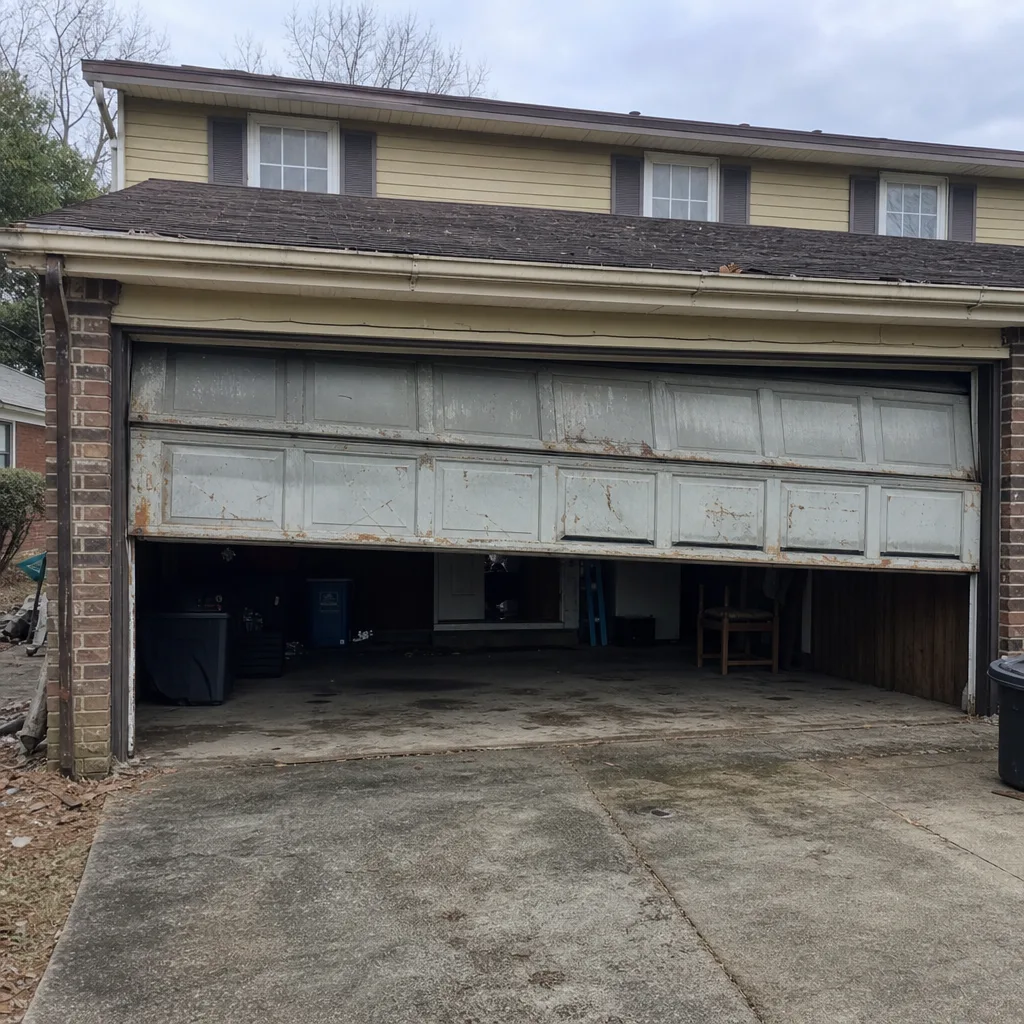 Before
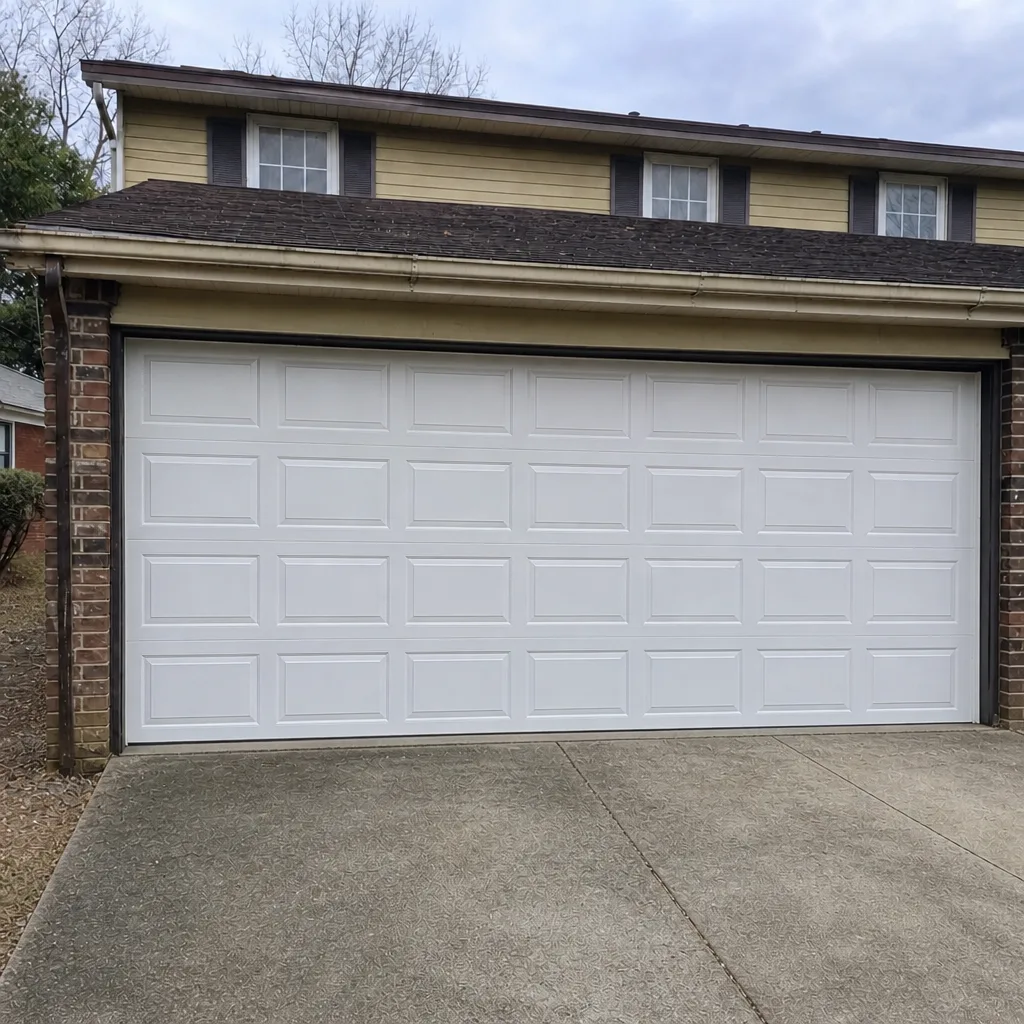 After
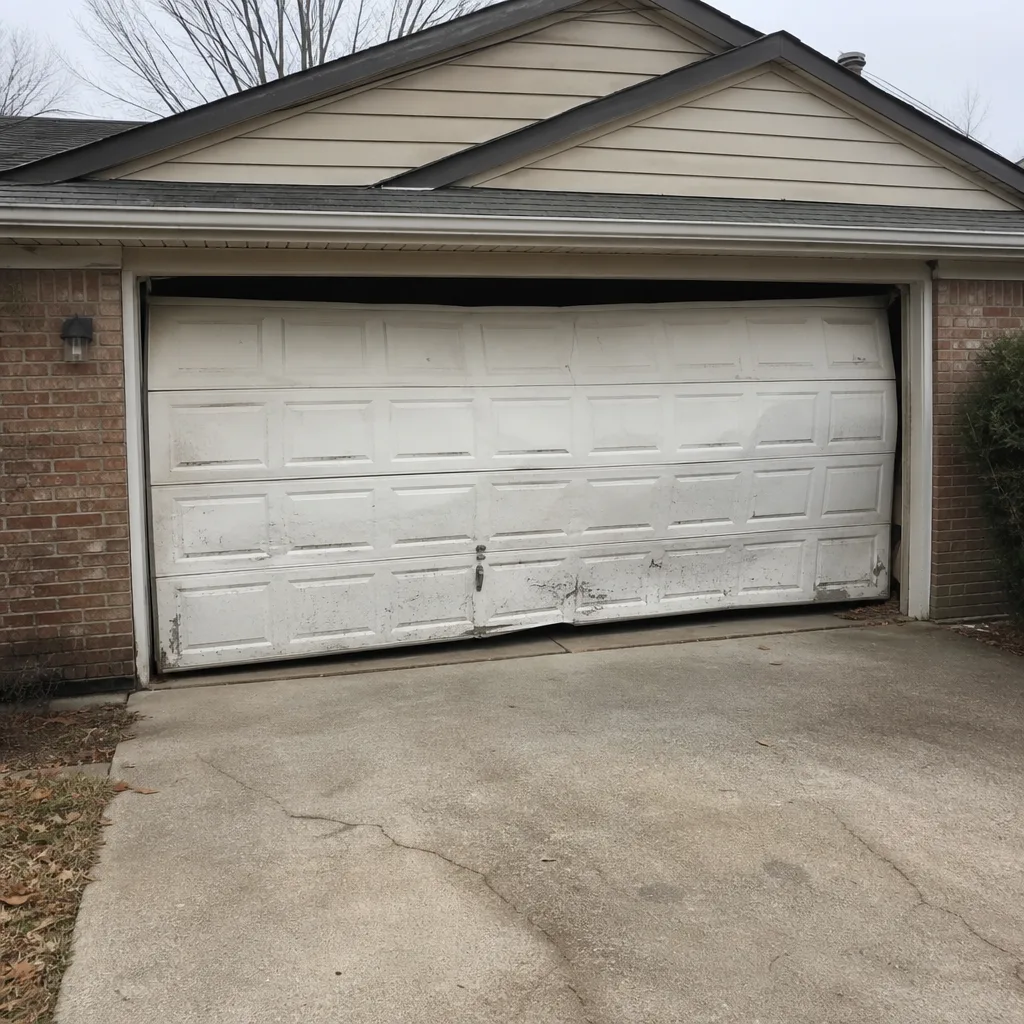 Before
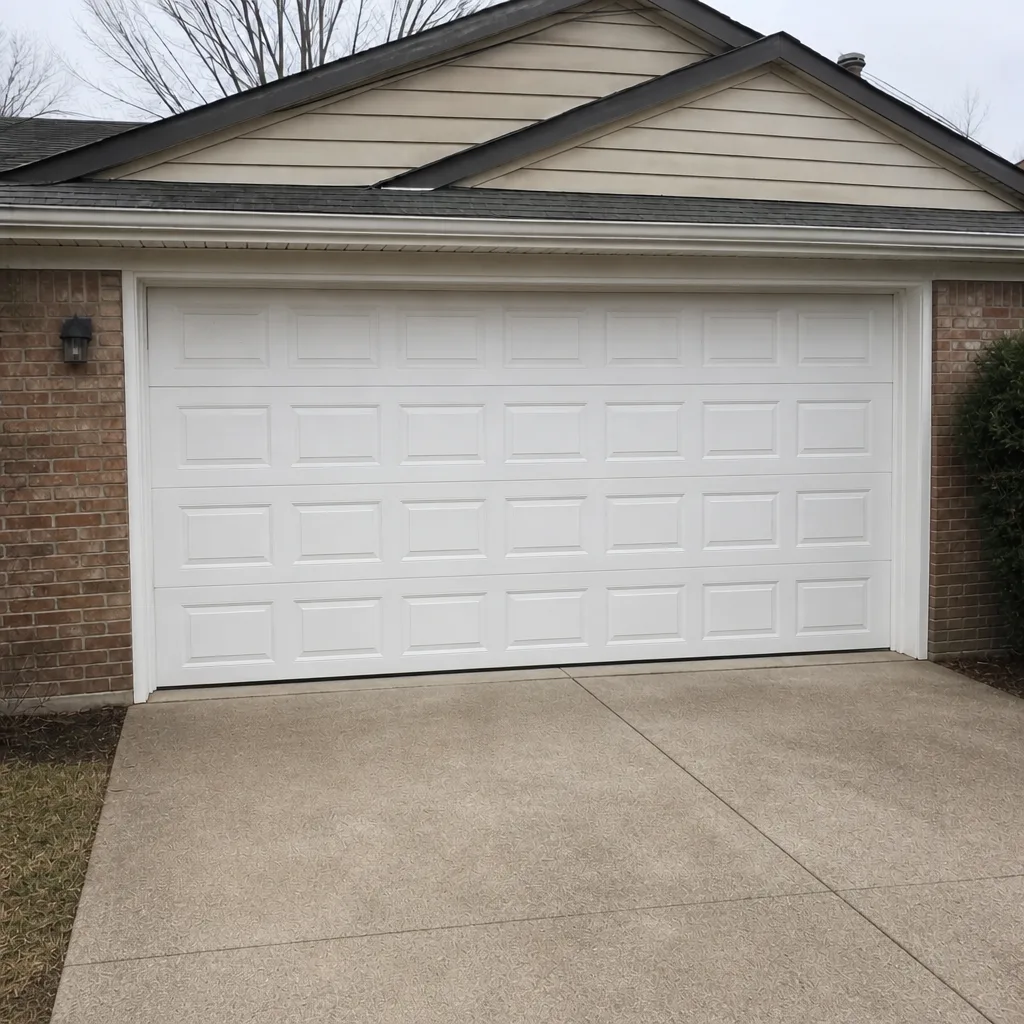 After
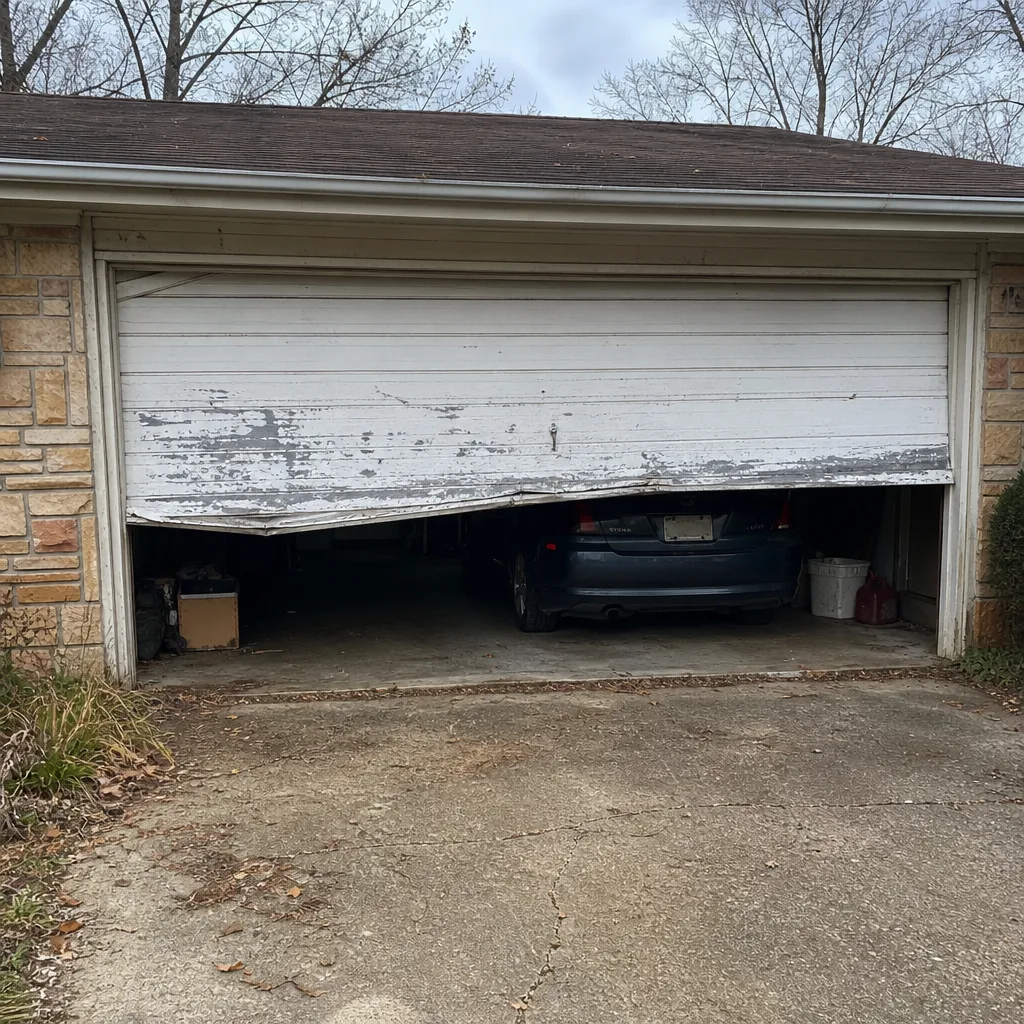 Before
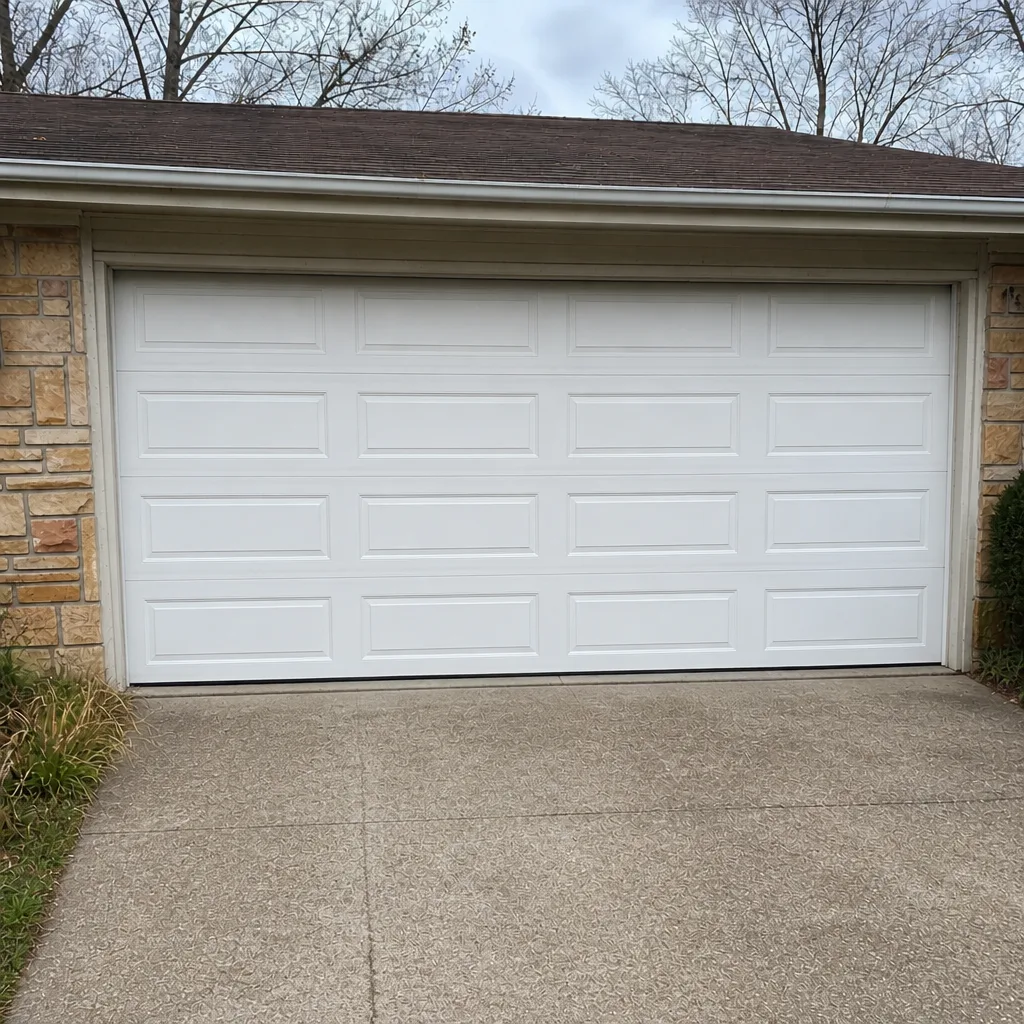 After
When to Call a Professional
If you’re planning a replacement, a free estimate is the right first step. A technician can look at the opening, confirm what permit your South Fulton property actually needs, and give you a written price before you order a door. That’s the moment to ask the permit question, not after the install.
If your door has snapped a spring, the opener has failed, or the door won’t close and the garage is open to the street, it’s a safety and security situation. Call now rather than wait. We answer 24/7, and we have fast dispatch from 7am to 7pm, Sunday through Friday. Our technicians have up to 8 years of experience and service the full system: panels, springs, cables, openers, and sensors.
South Fulton Garage Door Repair Pros offers free estimates in South Fulton – call (833) 348-5996. The written estimate sets the price, and it’s agreed before any work starts. If a home inspector has flagged an unpermitted door during a sale, we can also walk you through next steps and get the repair part handled properly.
Frequently Asked Questions
In most cases yes, if you’re replacing the full door assembly or altering the opening, framing, or size. Simple component repairs like springs and openers usually don’t need one. Confirm with the City of South Fulton or Fulton County building department based on your address before ordering a door. Call (833) 348-5996 and we can help you sort out the scope before you commit to anything.
You, as the property owner, are typically responsible for resolving it, especially if an inspector flags it during a home sale. That can mean applying for a retroactive permit, an inspection, and possibly repair work. Some jurisdictions may decline or add review steps for retroactive permits, so address it early. Call (833) 348-5996 for a free estimate to fix the code issues.
Yes, for repair and emergency situations, we offer same-day service and emergency garage door service is a standing offering. We answer 24/7 and fast dispatch runs from 7am to 7pm, Sunday through Friday. We’re closed Saturday. Call (833) 348-5996 and we’ll get you on the schedule.
It depends on whether your home is inside the incorporated City of South Fulton or in unincorporated Fulton County. Check your property tax bill, closing documents, or the county GIS lookup, then call the building department with your address to confirm. Getting this right before work starts saves you from a rejected or wrong-venue permit. Call (833) 348-5996 if you want help walking through it.
No. We give you a written estimate first, and the price is agreed before any work starts. If the scope turns out to be different once we’re on site, we tell you before doing anything additional, and you decide. Estimates are free. Call (833) 348-5996 to book one.
The local pro we connect you with is licensed and insured as their state requires. We work on garage doors only – springs, openers, panels, and installations – and our technicians have up to 8 years of experience with the brands we service. Call (833) 348-5996 for a free estimate.
The Bottom Line
In South Fulton, the garage door permit question usually comes down to three things: which jurisdiction your home falls under, whether your project crosses the line from repair into replacement or structural work, and who pulled the paperwork. Get those right and the process is quiet and predictable. Get them wrong and the problem can follow you to the closing table. Ask for the permit in writing, confirm the number with the building department, keep your inspection record, and don’t hand off spring or electrical work to anyone but a trained specialist. If you’re unsure where your project fits, a free estimate is the fastest way to find out.
Written by the team at South Fulton Garage Door Repair Pros.