
Last updated November 22, 2026
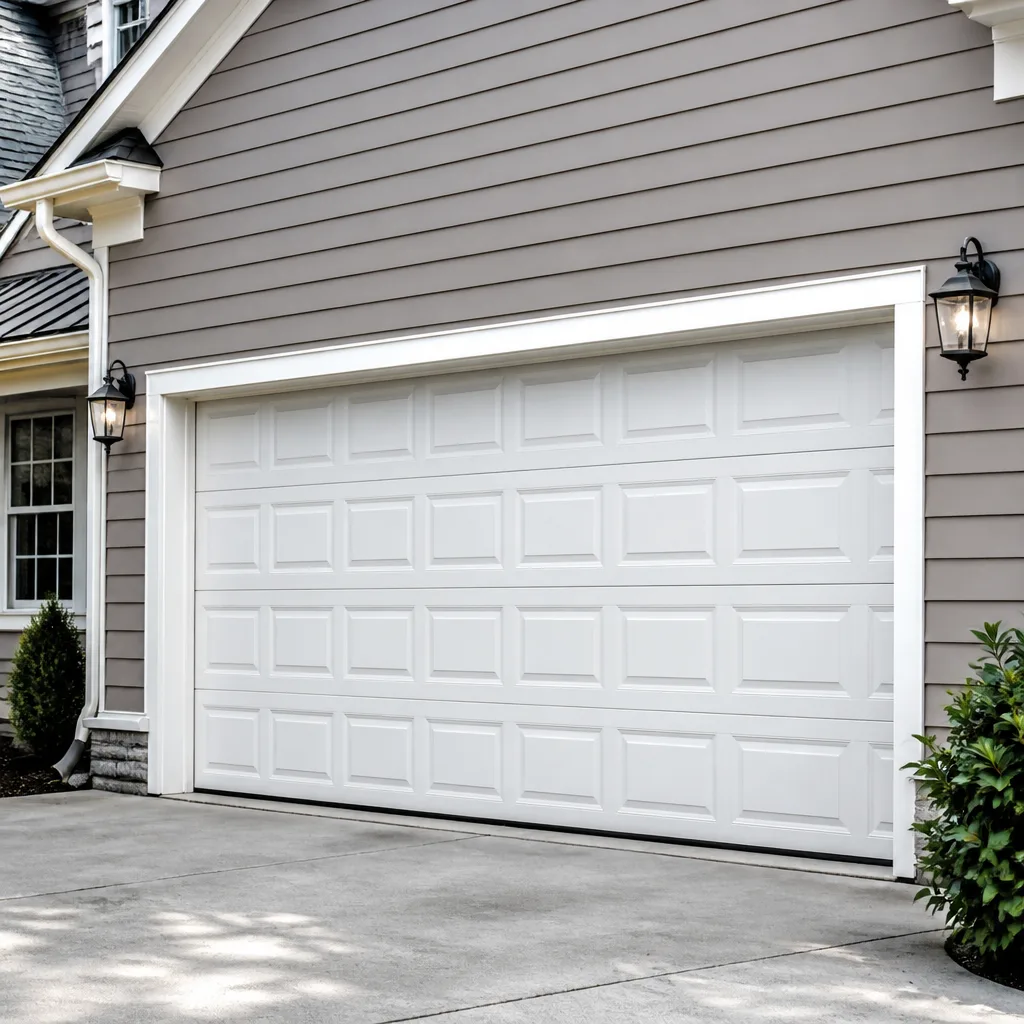 Raised-panel steel
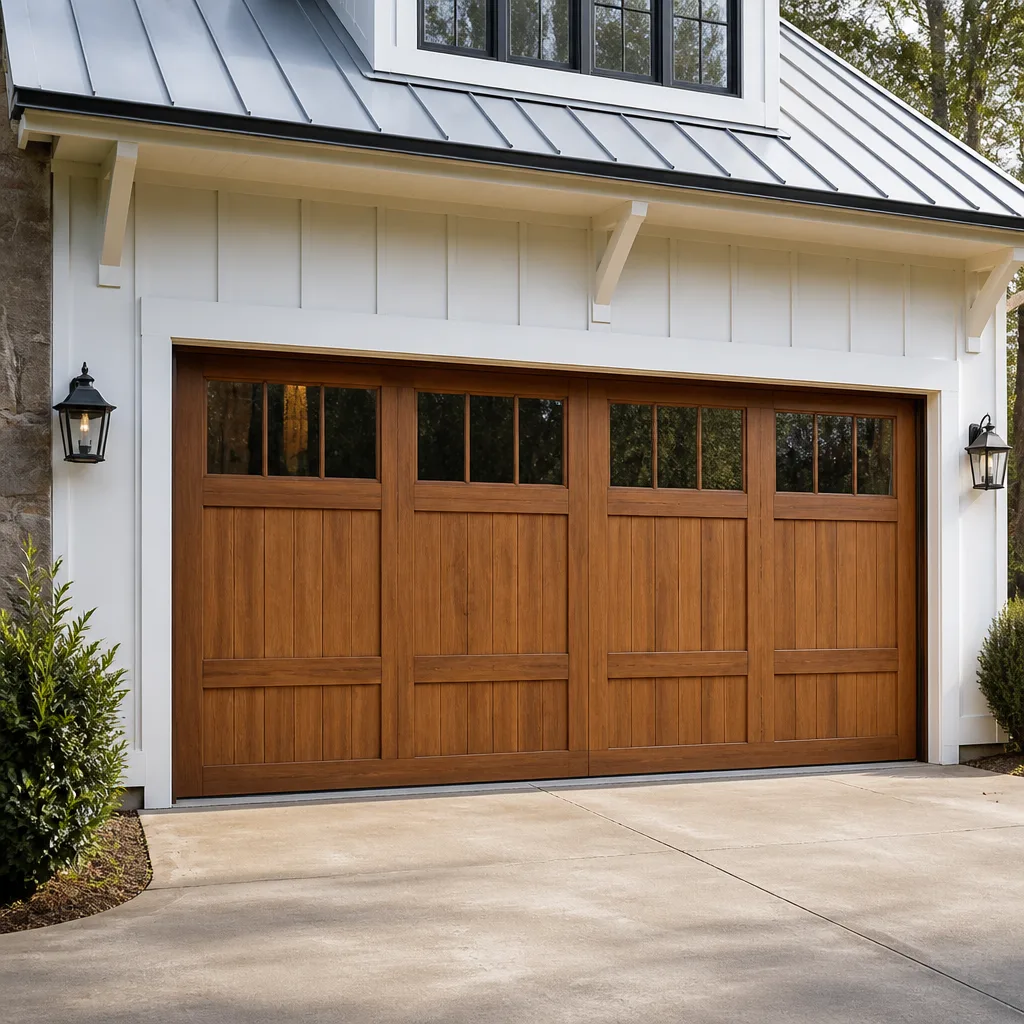 Carriage house
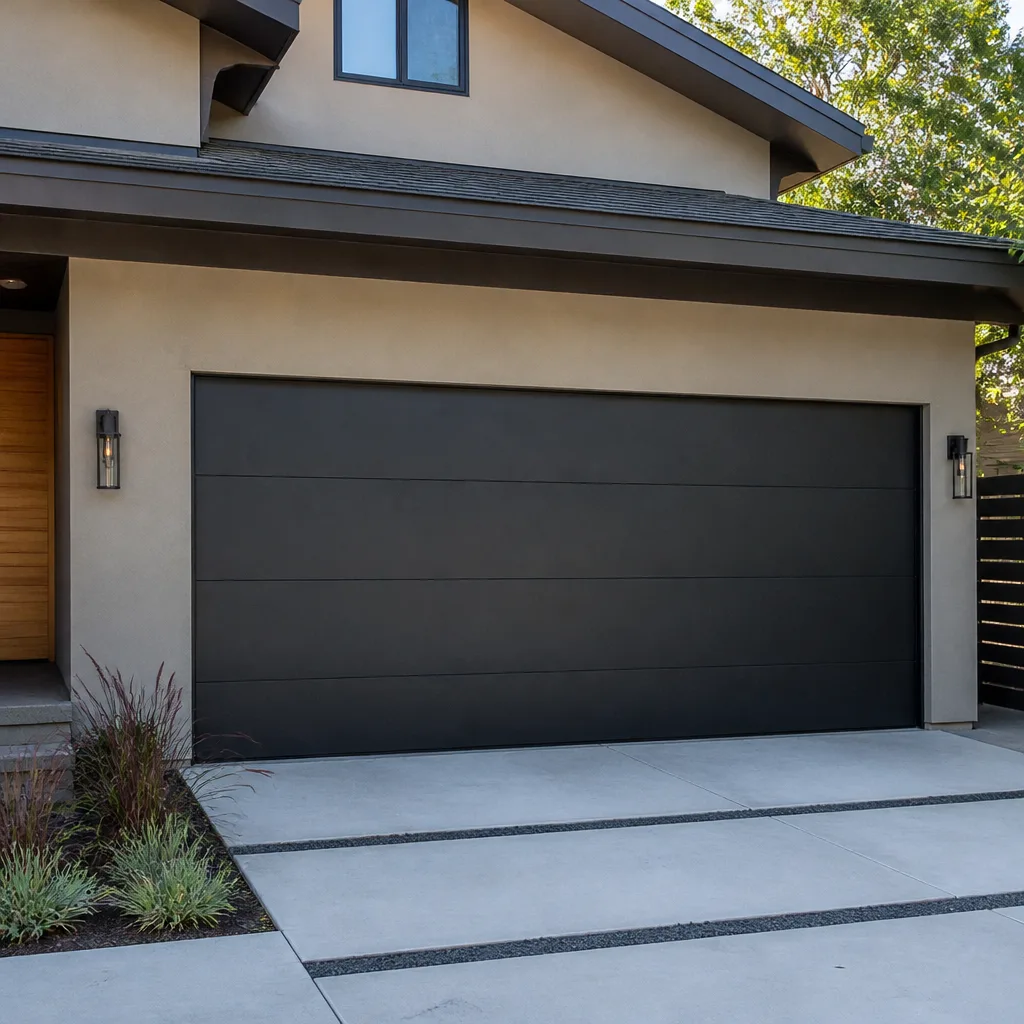 Modern flush
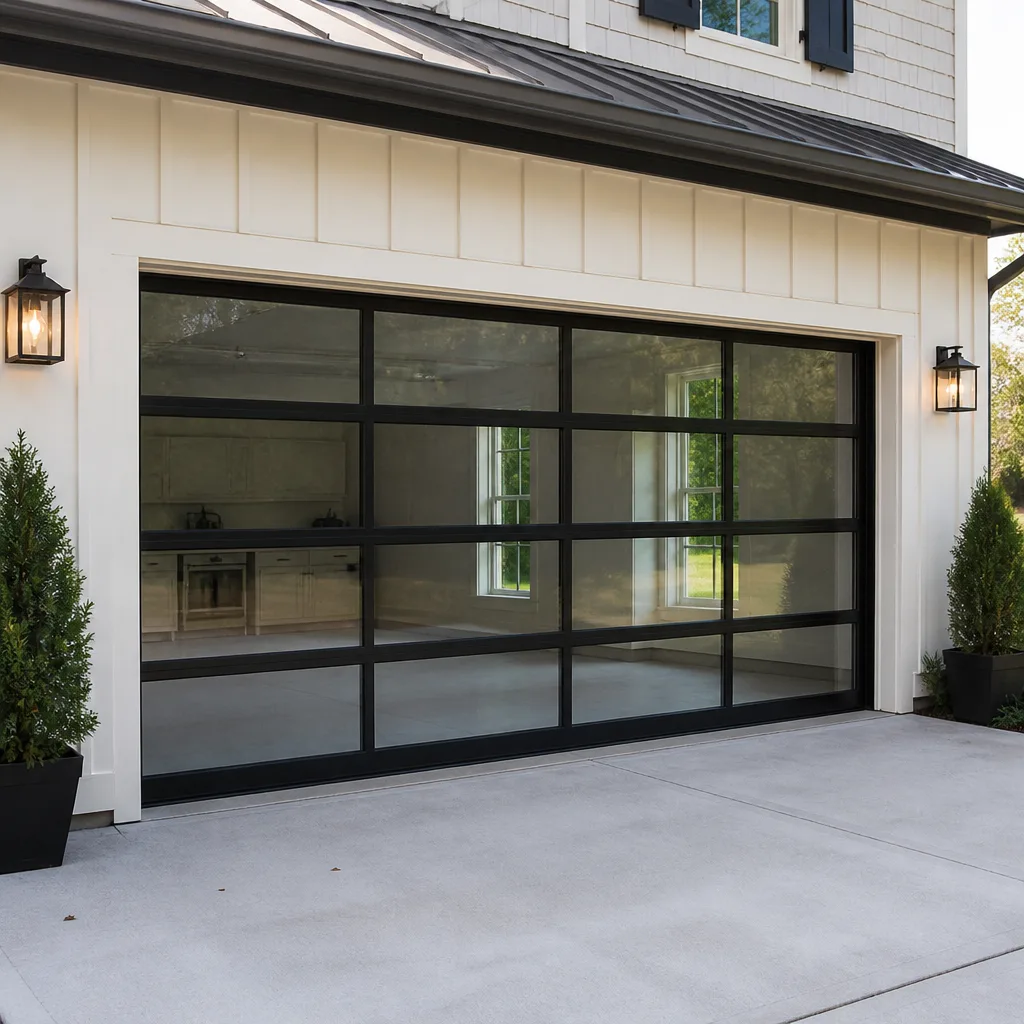 Full-view glass
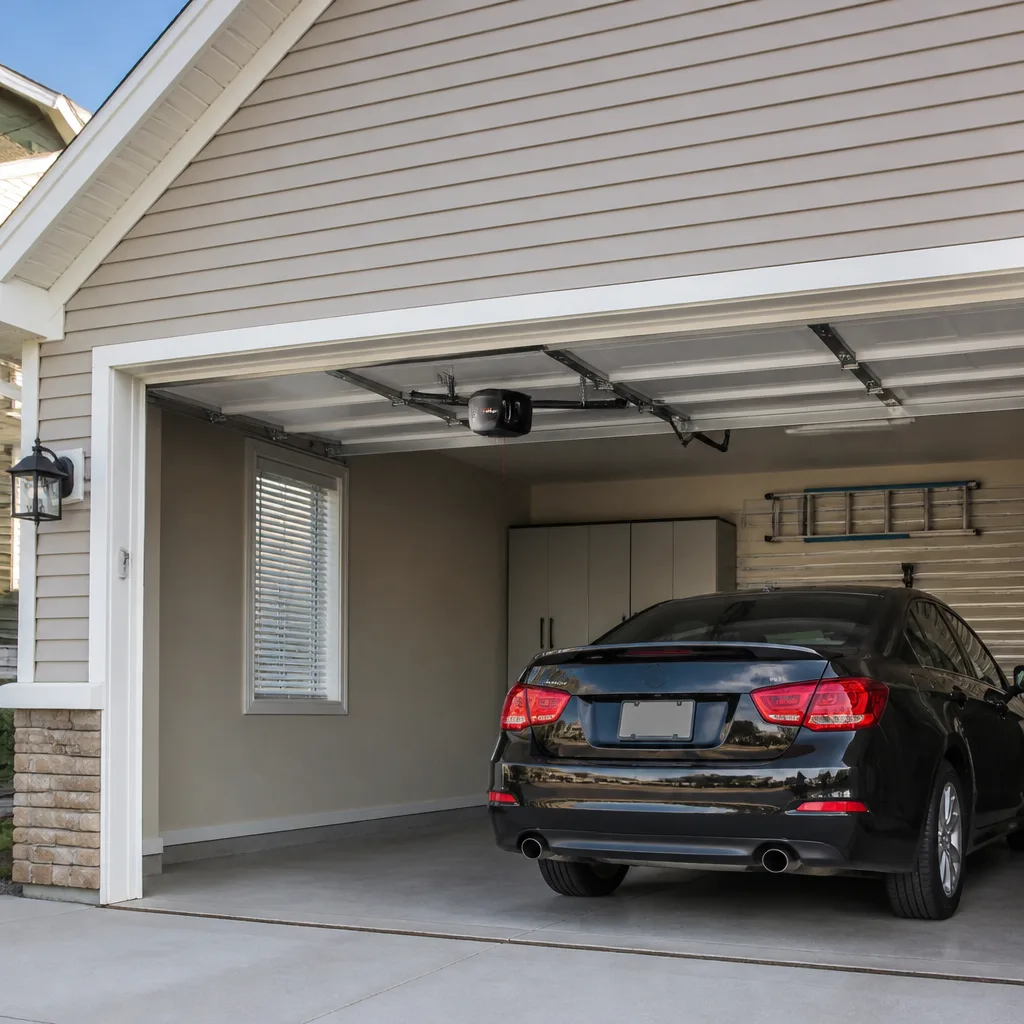 LiftMaster openers
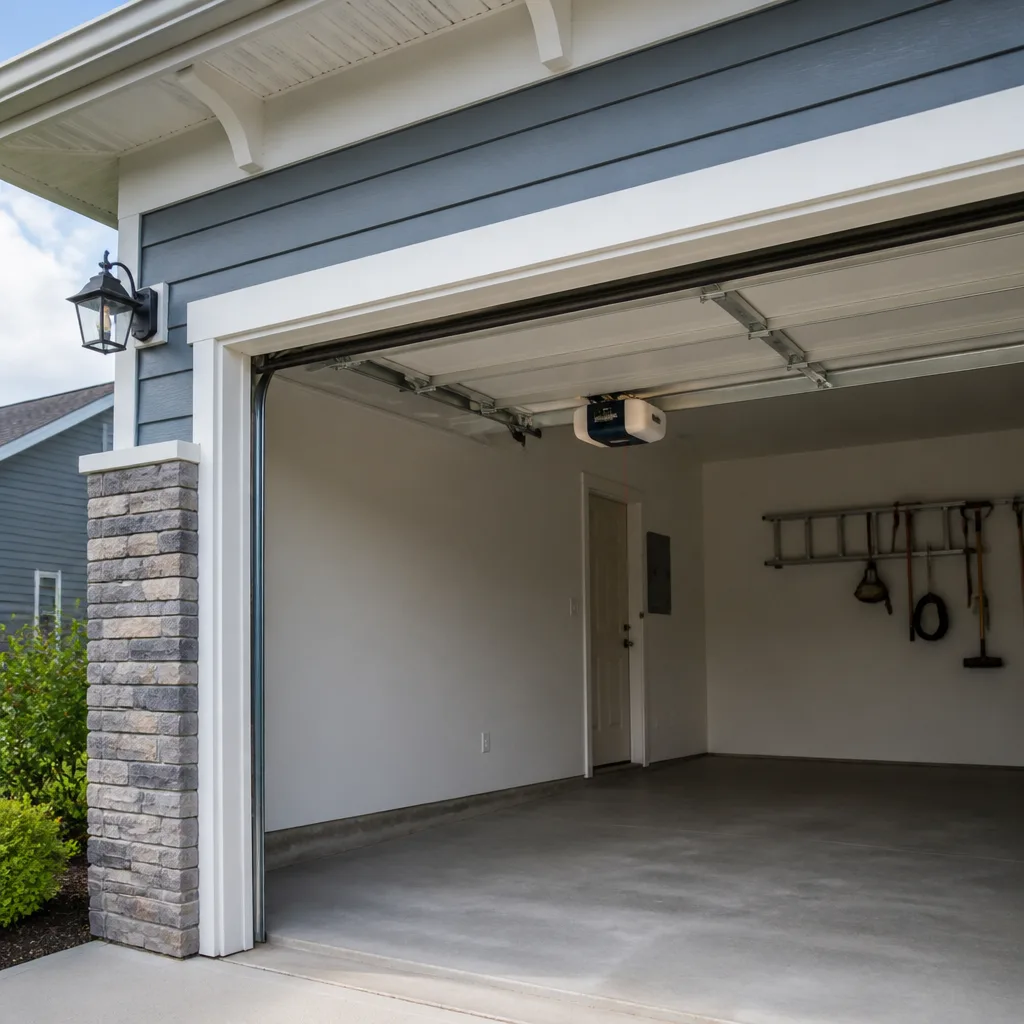 Chamberlain openers
Full 25-point door and opener safety check with every visit - springs, cables, rollers, tracks, and your LiftMaster or Chamberlain opener included
You get a price before we start. It does not change when the pro arrives.
Get your free estimateGarage Door Repair Maintenance Checklist for South Fulton Homeowners
Most garage door maintenance checklists start with the same advice: lubricate the hinges. It’s fine advice. It’s also the item least likely to prevent a dangerous failure. In our experience across South Fulton, the calls that come in with real urgency – the door that slammed down, the cable that snapped, the opener that ran but the door didn’t move – trace back to components that rarely make page one of a generic manufacturer checklist. Springs, cables, balance, and sensor alignment are where the money and the safety risk actually live. This guide ranks every maintenance item by what happens when it’s neglected, not by how easy it is to write down, and it tells you how often each one genuinely needs attention.
Quick Answer
A garage door maintenance checklist for South Fulton homeowners should prioritize spring tension and cable condition first, balance and sensor alignment second, and lubrication and cosmetic upkeep last. Springs and cables need a visual check monthly and professional inspection yearly, sensors should be tested monthly because Georgia heat expansion drifts them out of alignment, and hinges and rollers need lubrication every six months. Anything involving spring tension or cable tension under load is a job for a trained technician, not a homeowner.
Styles & brands we work with
- Raised-panel steel
- Carriage house
- Modern flush
- Full-view glass
- LiftMaster openers
- Chamberlain openers
Table of Contents
- Why This Checklist Is Risk-Ranked, Not Alphabetical
- Springs and Cables: The Two Items That Cause Real Emergencies
- How South Fulton Humidity Accelerates Cable Corrosion
- Heat Expansion and Sensor Drift in Georgia Summers
- Balance Testing: The Five-Minute Check That Predicts Failure
- How Often Each Item Actually Needs Attention
- Opener and Remote Maintenance Most Homeowners Skip
- A Seasonal Rhythm for South Fulton Homeowners
Why This Checklist Is Risk-Ranked, Not Alphabetical
A garage door is the largest moving object in most homes, and it’s held up by a spring system under extreme tension. That single fact should reorganize how you think about maintenance. When a spring or cable fails under load, the result can be a door that drops without warning – and a garage door panel weighs a lot more than most people expect. So the items that carry safety risk go first on this checklist, and the items that only affect appearance or smoothness go last, no matter how often other guides mention them.
We’ve built this ranking from the failure patterns we actually see in South Fulton. Certain things come up again and again. Cables that have corroded through from months of humid air. Sensor brackets that have drifted a quarter inch because the metal expanded and contracted through a hot Georgia summer. Torsion springs that were already past their service life when they finally let go. Almost none of these show up on a homeowner’s radar until they fail, because they aren’t the items people are told to check.
The order below matters because time and attention are limited. If you only do three things on this list all year, do the three at the top. Here’s the ranking at a glance:
- Spring tension and spring condition – highest safety consequence
- Cable condition and corrosion – highest risk of sudden failure
- Door balance – the early-warning system for both of the above
- Safety sensor alignment – the most commonly drifted item in this climate
- Opener force and travel settings – prevents strain on everything else
- Rollers, hinges, and tracks – affects smoothness and longevity
- Weather seal and paint – cosmetic and pest-related, lowest urgency
If you want the whole system inspected by someone who works on garage doors every day, South Fulton Garage Door Repair Pros covers panels, springs, cables, openers, remotes, and sensors in one visit. Our technicians have up to 8 years of experience, and they work on the brands you’re most likely to own – Clopay, Amarr, Genie, Wayne Dalton, and more.
Springs and Cables: The Two Items That Cause Real Emergencies
Springs and cables are the load-bearing heart of a garage door, and they’re the two components most likely to turn a normal day into an emergency call. A torsion spring stores enough energy to lift a door that may weigh hundreds of pounds. When it breaks, that energy releases all at once. A cable that snaps does something similar – the door can drop on one side and jam, or come down completely. Neither is a repair to attempt yourself.
What a homeowner can safely observe about springs
You can look. You cannot touch. That’s the line, and it’s a firm one. Safe observation means standing back and using your eyes only:
- Look for a visible gap in a torsion spring above the door – a snapped spring usually shows a clear break.
- Check for a door that feels unusually heavy when you lift it by hand with the opener disengaged.
- Listen for a loud bang from the garage, followed by a door that won’t open – the classic sign of a broken spring.
- Notice whether the door hangs crooked or opens unevenly, which can point to a spring or cable problem.
What you should never do is try to adjust, wind, unwind, or remove a spring, or tug on a cable to “test” it. High-tension spring work needs winding bars, the right technique, and trained hands. This is the single most dangerous component on the door, and a mistake can cause serious injury. If you suspect a spring or cable problem, stop using the door and call a technician.
What a technician checks that you can’t
A proper spring and cable inspection involves measuring tension, checking the cable drums and the bottom bracket, examining the cable for fraying and corrosion along its full length, and confirming the springs are matched to the door’s weight. When a spring does need replacing, a matched pair is usually replaced together, since both have lived the same life. That’s why garage door spring repair is a core part of what we do rather than an afterthought. A broken spring is a safety issue, and we treat it like one.
How South Fulton Humidity Accelerates Cable Corrosion
South Fulton’s humid summers do quiet damage to garage door cables. A cable is a bundle of thin steel strands under tension, and moisture in the air works its way between those strands. Over months, that trapped moisture rusts the cable from the inside out. The outer surface can look fine while the core is weakening, which is exactly why corrosion is so easy to miss and so important to check.
The warning signs are subtle at first. Look for these on the cables that run along each side of the door:
- Rust-colored staining or a reddish tinge on the cable strands.
- Fraying – small broken wires sticking out, often near the drums at the top corners.
- A cable that looks slack on one side while the other is tight.
- Grinding or scraping sounds as the door moves, which can mean a cable is rubbing.
Because our climate keeps humidity elevated for much of the year, we recommend a visual cable check every month and a professional inspection annually. Cables don’t fail gently – when one goes, it tends to go suddenly, and usually while the door is in motion. If you see rust or fraying, don’t keep cycling the door while you decide what to do. Garage door repair for a corroded or frayed cable is straightforward when it’s caught early and much more disruptive when it isn’t. One call covers the whole door system, from opener to panel to hardware.
Heat Expansion and Sensor Drift in Georgia Summers
The safety sensors at the base of your garage door – the two small eyes on either side of the opening – are supposed to stop the door if something crosses the beam. They’re also mounted on brackets that expand and contract with temperature, and in a Georgia summer that movement adds up. A sensor that was perfectly aligned in spring can drift just enough by August that the door refuses to close, or closes and then reverses for no apparent reason. It’s one of the most commonly missed maintenance items, and one of the easiest to test.
How to test your sensors in under a minute
- Look at both sensor lenses. Most have a small indicator light that should glow steady when the beam is aligned.
- If a light is flickering or dark, wipe the lens with a soft cloth – dust and cobwebs cause false readings.
- With the door open, pass a broom or a box through the beam while the door is closing. The door should reverse immediately.
- If the door doesn’t reverse, or won’t close at all, the sensors need realigning or the wiring needs checking.
Testing takes a minute and is worth doing monthly, especially after a stretch of hot weather or a big temperature swing. If the door still won’t close after a cleaning and a visual check, that’s a sensor or opener issue rather than something to keep fighting with. Garage door opener repair covers sensor alignment, wiring, and the opener’s logic board, and we work on Genie, LiftMaster, Chamberlain, and Craftsman systems, among others.
Balance Testing: The Five-Minute Check That Predicts Failure
Balance is the best early-warning signal a garage door gives you. A balanced door moves smoothly and stays put partway open. An unbalanced door is telling you that a spring has lost tension, a cable is strained, or the door’s weight is no longer being carried evenly. Catching that early can mean a spring adjustment instead of a mid-drive spring failure.
How to check balance safely
This test is done by hand, with the opener disengaged, and it’s safe as long as you follow each step:
- Close the door completely and pull the opener’s release cord (usually a red handle) to disconnect it.
- Lift the door by hand to about halfway and let go gently.
- A balanced door stays roughly where you left it.
- A door that drops or rises on its own is out of balance and needs professional attention.
- Reengage the opener when you’re done, or leave it disconnected if you’re calling for service.
Never force a door that feels too heavy to lift, and never stand under a door you’re testing. If it won’t hold position, stop and call. Balance problems almost always trace back to springs or cables, which means fixing them is technician work – not something to solve by adjusting the opener’s force. Forcing an unbalanced door to open with the motor just wears out the opener and strains the very parts that are already struggling.
How Often Each Item Actually Needs Attention
“Annually” is the answer most checklists give for everything, and it’s not useful. Different components wear at different rates, and some need attention far more often than once a year. Here’s how we’d actually schedule it based on what we see in South Fulton homes:
- Springs – visual check monthly, professional inspection yearly. Springs have a finite cycle life. A busy household can wear one out faster than a quiet one.
- Cables – visual check monthly, professional inspection yearly. Humidity makes cable corrosion a year-round concern here, not a seasonal one.
- Balance test – every three months. Quick to do and the best predictor of a coming failure.
- Safety sensors – test monthly, clean the lenses whenever you think of it. Heat expansion drifts them, and dust and cobwebs interfere with the beam.
- Opener force and travel settings – check yearly, or any time the door starts behaving differently. Correct settings take strain off the whole system.
- Rollers, hinges, and tracks – lubricate every six months, inspect for wear yearly. This is the item most guides put first; it’s real, but it’s not urgent.
- Weather seal and paint – inspect yearly. A cracked seal lets in water, pests, and drafts, but it won’t cause a safety failure.
If you’d rather not track all of this yourself, a single yearly professional inspection covers the items that matter most and catches the ones you can’t safely check. Free estimates make it easy to find out where your door actually stands.
Opener and Remote Maintenance Most Homeowners Skip
The opener gets blamed for a lot of problems that actually start elsewhere, but it has its own maintenance needs. Force settings that are too high mask a balance problem by shoving a struggling door through its cycle. Travel limits that drift can make the door stop short or slam into the floor. And remotes and keypads quietly lose their settings or their batteries, which sends people reaching for the manual when the fix is simple.
A few things worth checking on the opener side:
- Force settings: If the door reverses easily when it meets an obstruction, the force is set reasonably. If it powers through, it’s set too high – a technician should adjust it.
- Travel limits: The door should open fully without straining and close fully without hitting hard. If it’s drifting, the limits need resetting.
- Remotes and keypad: Replace batteries yearly and re-pair any remote that stops responding before assuming the opener has failed.
- Mounting and hardware: The opener should run without excessive vibration or noise. Rattling can mean loose mounting bolts.
When an opener genuinely fails – it runs but the door doesn’t move, it hums without opening, or it stops responding entirely – it’s usually a repairable issue rather than a replacement. We service and install LiftMaster, Chamberlain, Genie, and Craftsman systems, so there’s no brand dead end when something goes wrong.
A Seasonal Rhythm for South Fulton Homeowners
You don’t have to memorize intervals to keep up with your door. A simple seasonal rhythm works well in this climate, and it maps onto when different problems tend to surface. Here’s the pattern we’d suggest:
- Spring (after the last cold snaps): Do a full visual check of springs and cables as the weather warms, and test your sensors. Temperature swings are when alignment issues show up.
- Summer: Watch for sensor drift during the hottest weeks, and keep an eye on cables for rust as humidity climbs. This is when we field the most “door won’t close” calls.
- Fall: Test door balance before the busy season, lubricate hinges and rollers, and check the weather seal before colder weather arrives.
- Winter: Confirm the opener’s force and travel settings are right, replace remote batteries, and schedule a professional inspection if you haven’t had one this year.
None of this takes long. The point is consistency rather than intensity – a few minutes a month keeps you ahead of the failures that cause real emergencies. And for the items you can’t safely check yourself, a yearly professional visit handles the rest. Our technicians have up to 8 years of experience and work on doors and openers from Clopay, Amarr, Wayne Dalton, Genie, and more, so one visit covers the entire system.
Common Mistakes to Avoid
- Putting lubrication first and springs last. It feels productive, but a door with fresh grease and a failing spring is still a safety hazard. Rank by consequence, not convenience.
- Trying to adjust or unwind a spring. High-tension springs can cause serious injury in untrained hands. If a spring looks wrong, stop and call a technician.
- Ignoring a door that won’t close because “it’ll probably work tomorrow.” In South Fulton humidity, a sensor or cable issue that shows up once tends to get worse, and a door stuck open overnight is a security problem.
- Forcing an unbalanced door with the opener. Cranking up the force settings hides the real problem – worn springs or cables – and wears out the opener at the same time.
- Skipping the sensor test after hot weather. Heat expansion drifts sensor brackets, and a door that reverses on its own is usually telling you the beam is misaligned.
- Assuming a noisy opener needs replacing. Loose mounting bolts, worn rollers, and dry hinges cause most of the noise. Diagnose before you replace.
- Letting rust on cables go unexamined. Cable corrosion starts on the inside, and by the time fraying is obvious, the cable is already compromised.
See the difference
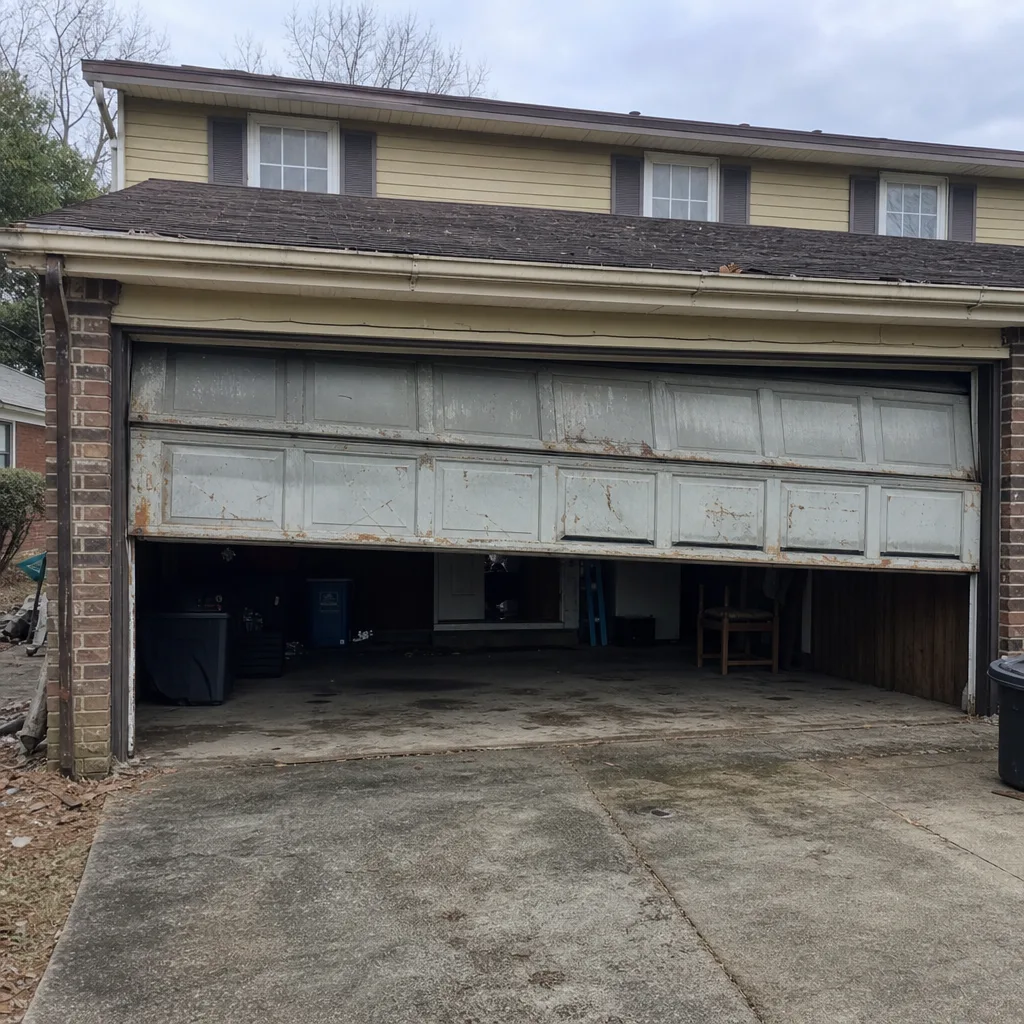 Before
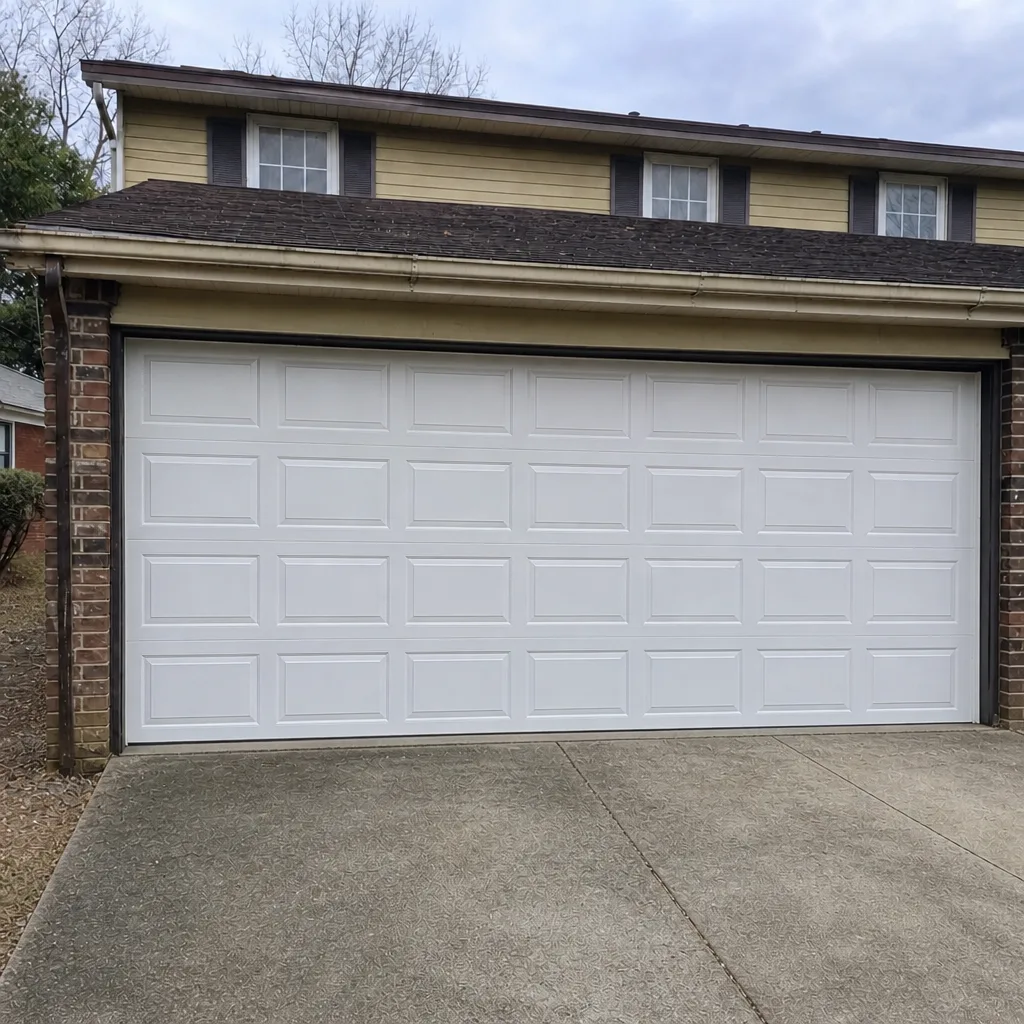 After
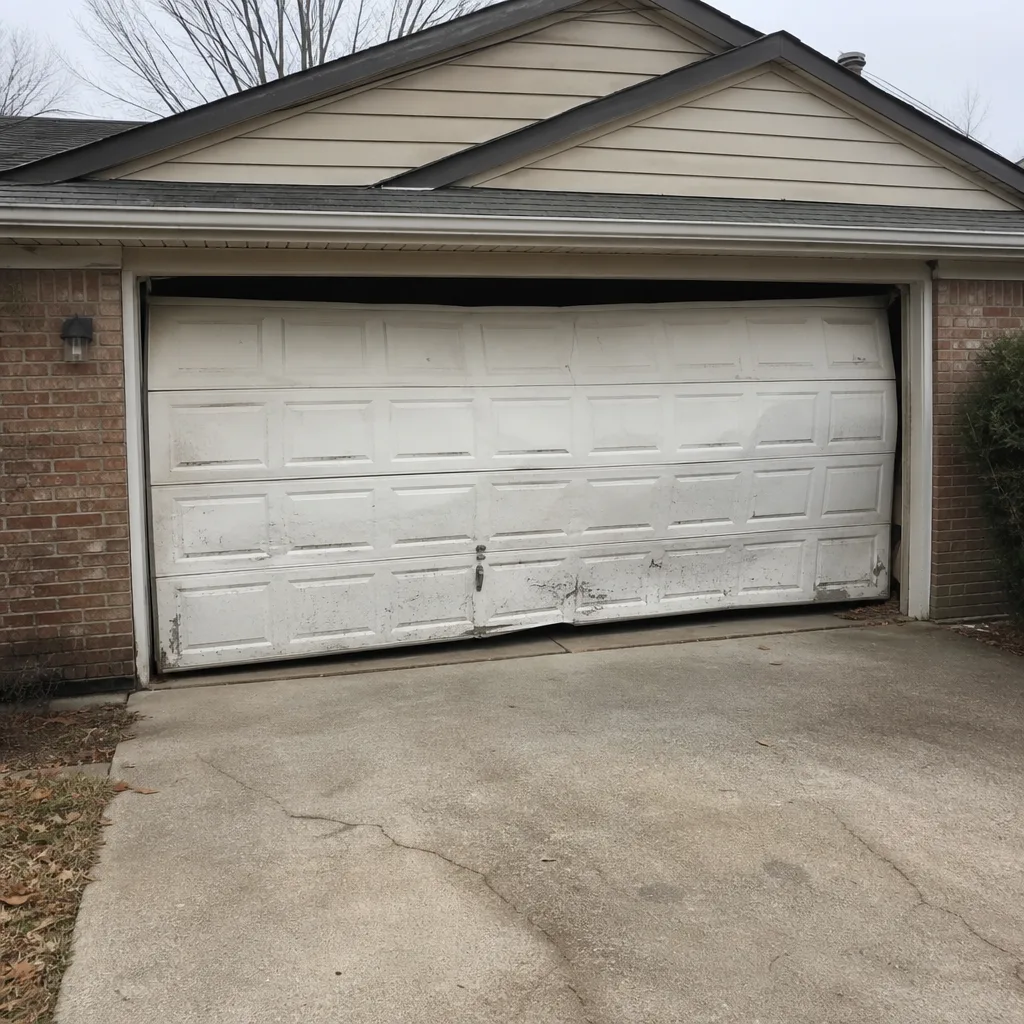 Before
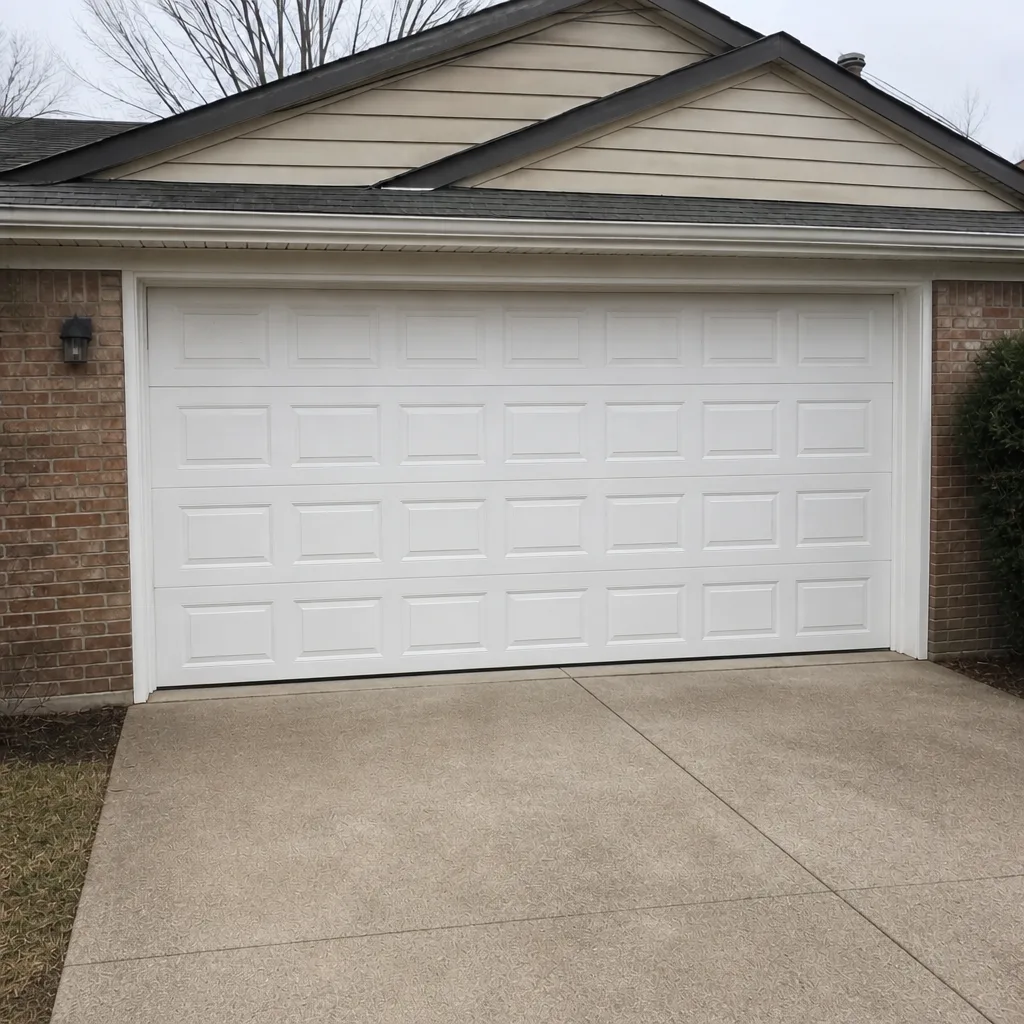 After
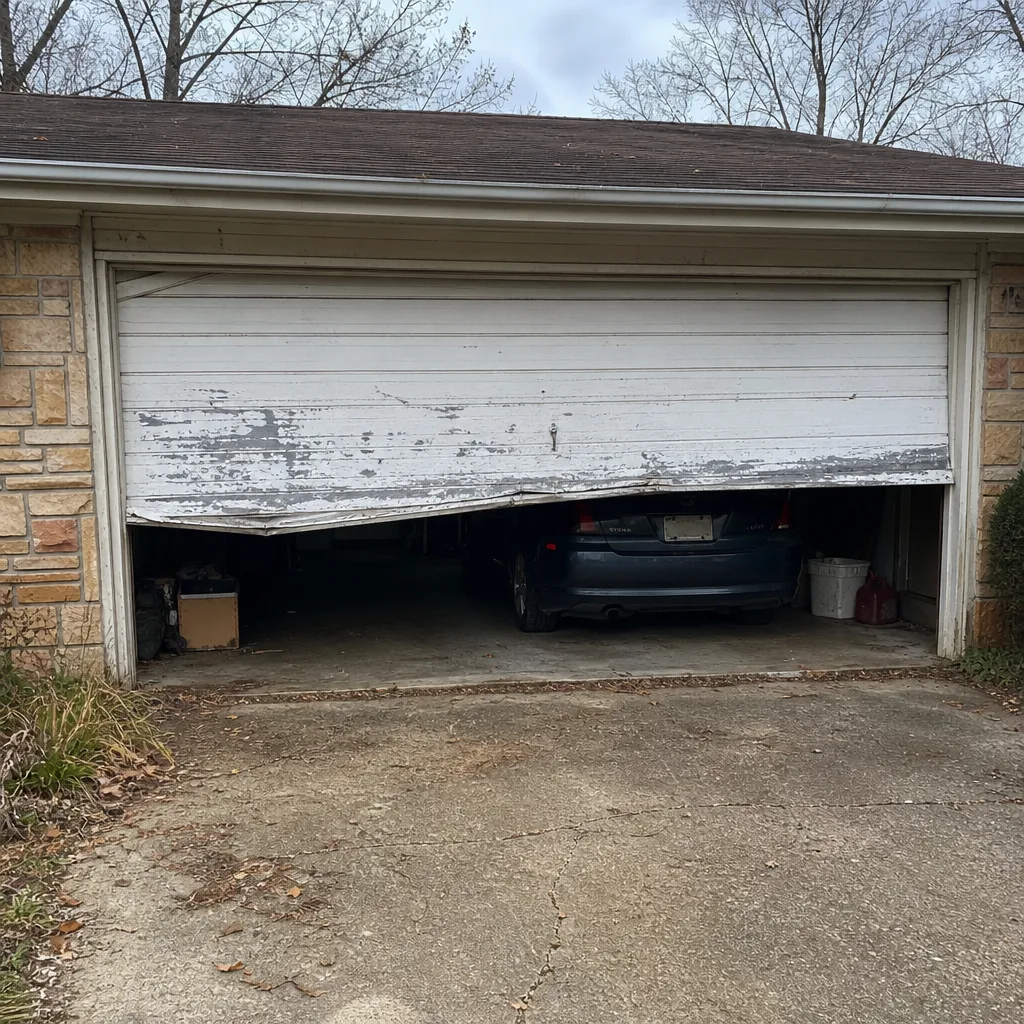 Before
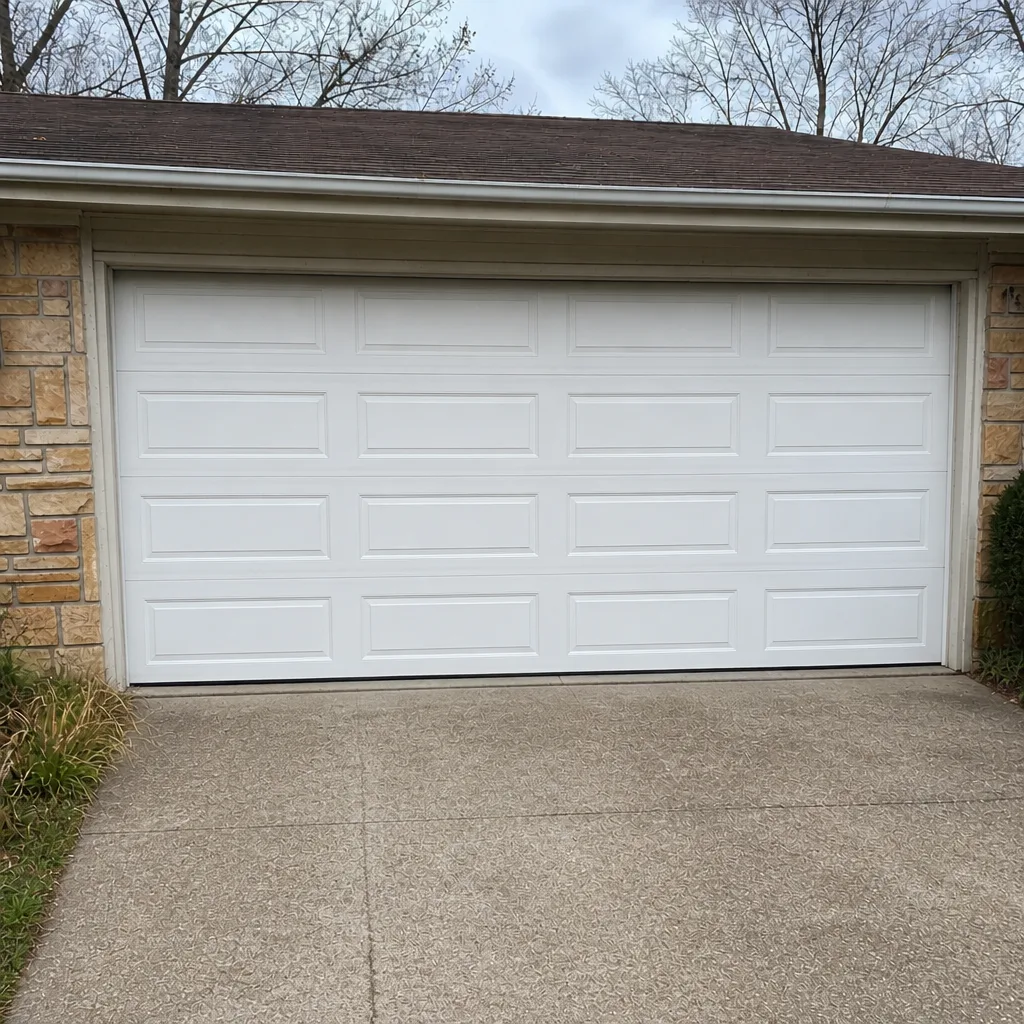 After
When to Call a Professional
Some items on this checklist are genuinely homeowner territory – testing sensors, watching cables for rust, running the balance test, replacing remote batteries. Others are not. Call a professional if a spring has broken or looks wrong, if a cable is frayed or rusty, if the door hangs crooked or drops on its own, if it won’t close and the sensors look clean and aligned, if the opener runs without moving the door, or if you hear a loud bang from the garage and the door stops working. Those scenarios involve tension, load, or electrical components, and they’re not the place to experiment. South Fulton Garage Door Repair Pros offers free estimates in South Fulton – call (833) 348-5996. We answer 24/7, with fast dispatch from 7am to 7pm, Sunday through Friday.
Frequently Asked Questions
Once a year professionally, with a monthly visual check of springs and cables and a monthly sensor test in between. South Fulton’s humid summers speed up cable corrosion and drift sensor alignment, so a yearly inspection catches problems the homeowner can’t safely see.
No. Garage door springs are under extreme tension and require specialized tools and training to replace safely. A mistake can cause serious injury, so spring replacement should always be handled by a technician. Call (833) 348-5996 for a free estimate on spring repair.
If the sensors look aligned and clean and the door still won’t close, the cause is usually sensor wiring, a misaligned bracket you can’t see from eye level, or a limit setting on the opener. A quick diagnostic visit will pin it down. We answer 24/7 at (833) 348-5996.
Look for rust-colored staining on the cable strands, small wires fraying near the drums, and a cable that seems slack on one side. In South Fulton’s humidity, check monthly – corrosion often starts inside the cable before it’s visible on the outside. Call (833) 348-5996 if you spot any of these signs.
Usually not. Most garage door noise comes from worn rollers, dry hinges, or loose mounting bolts rather than the opener itself. Lubricating hinges and rollers every six months cuts most of the noise, and a technician can confirm whether the opener needs anything more.
Stop using the opener, don’t try to lift the door by hand, and call a technician. The door may still be under partial tension or sitting on a compromised cable. We answer 24/7 at (833) 348-5996, with fast dispatch from 7am to 7pm, Sunday through Friday.
The Bottom Line
The maintenance items that actually protect a South Fulton garage door aren’t the ones that top most checklists. Springs and cables cause the emergencies; balance and sensor drift cause the frustrating “won’t close” calls; lubrication and paint are worth doing but shouldn’t come first. Check the important parts monthly, test your sensors through the hot months, run a balance test every few months, and get a professional inspection once a year. That combination catches most failures before they happen – and for the spring and cable work you can’t safely do yourself, one call covers your entire door system, from opener to panel to hardware.
Call (833) 348-5996 for a free estimate. We answer 24/7, with fast dispatch from 7am to 7pm, Sunday through Friday. Garage doors are all we do, and we work on the brands you’re most likely to own.
Written by the team at South Fulton Garage Door Repair Pros.