
Last updated November 22, 2026
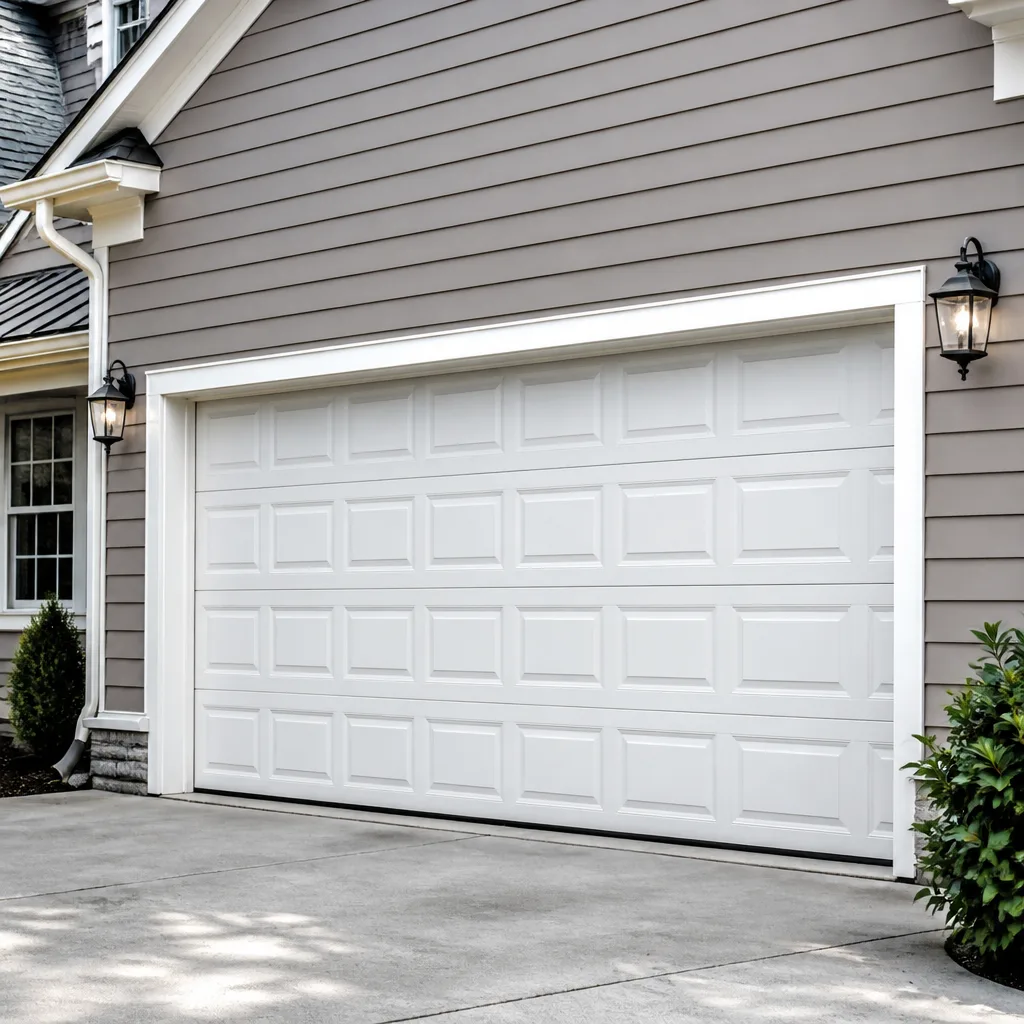 Raised-panel steel
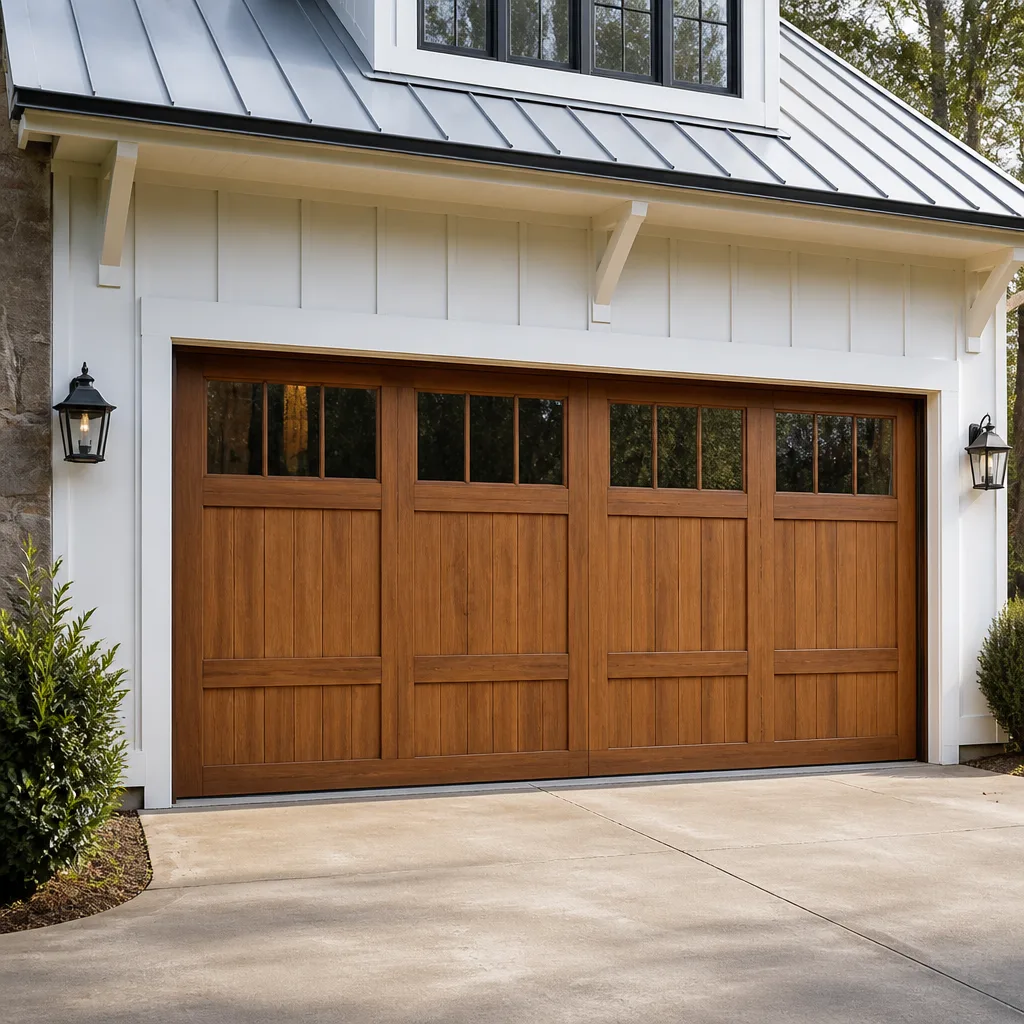 Carriage house
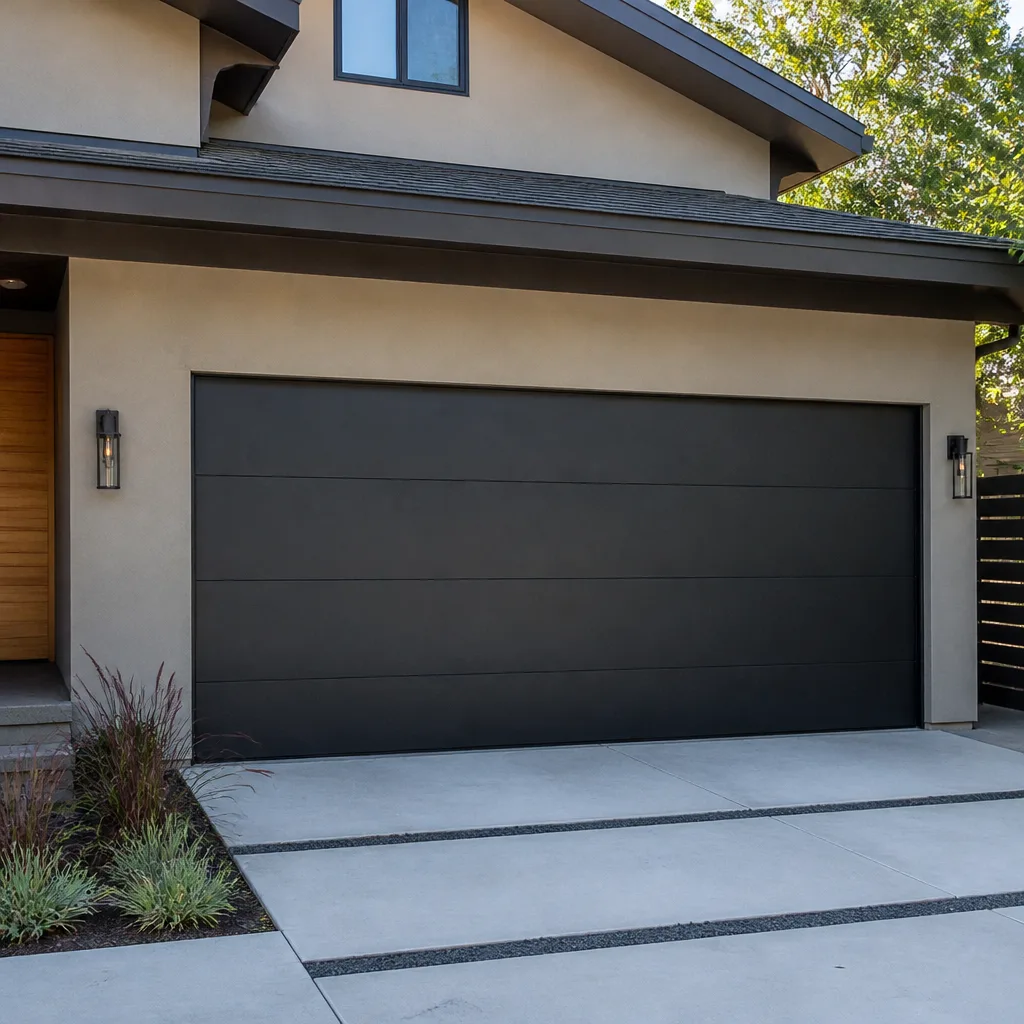 Modern flush
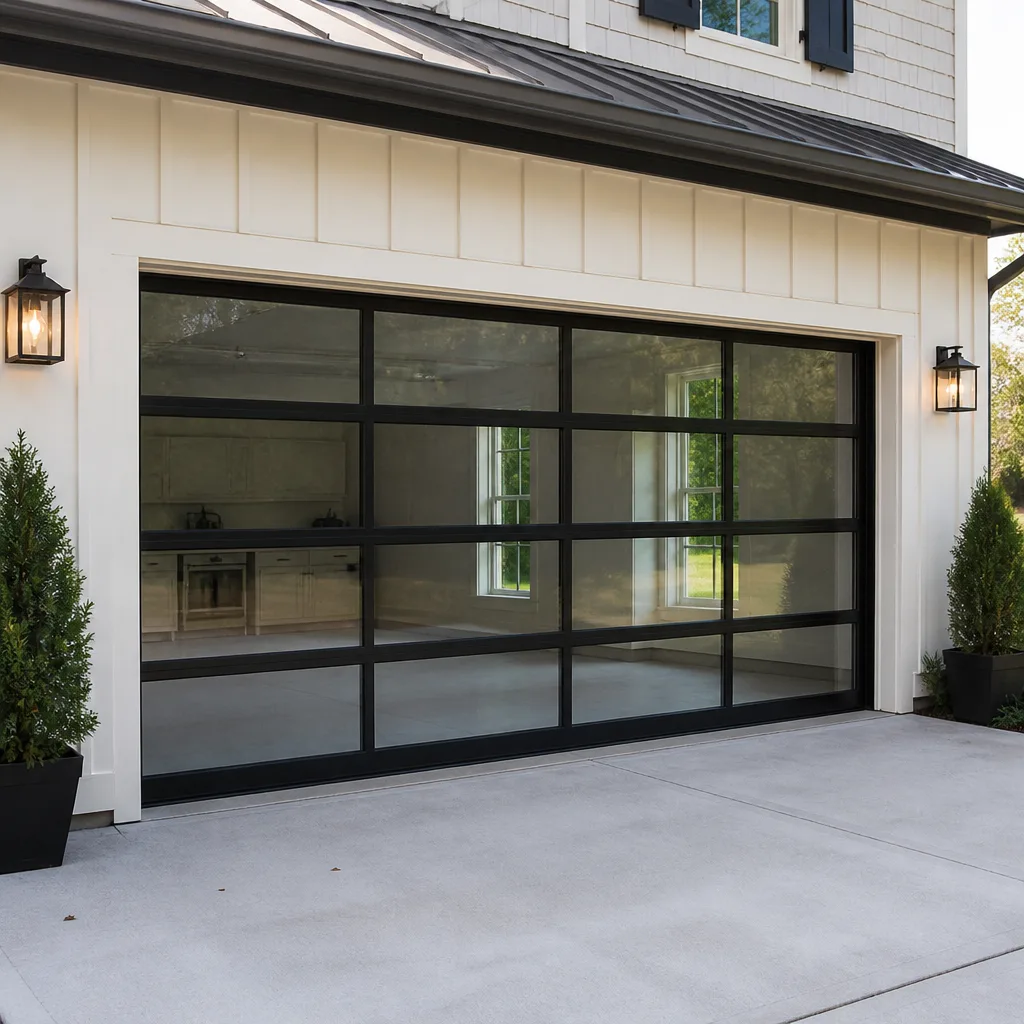 Full-view glass
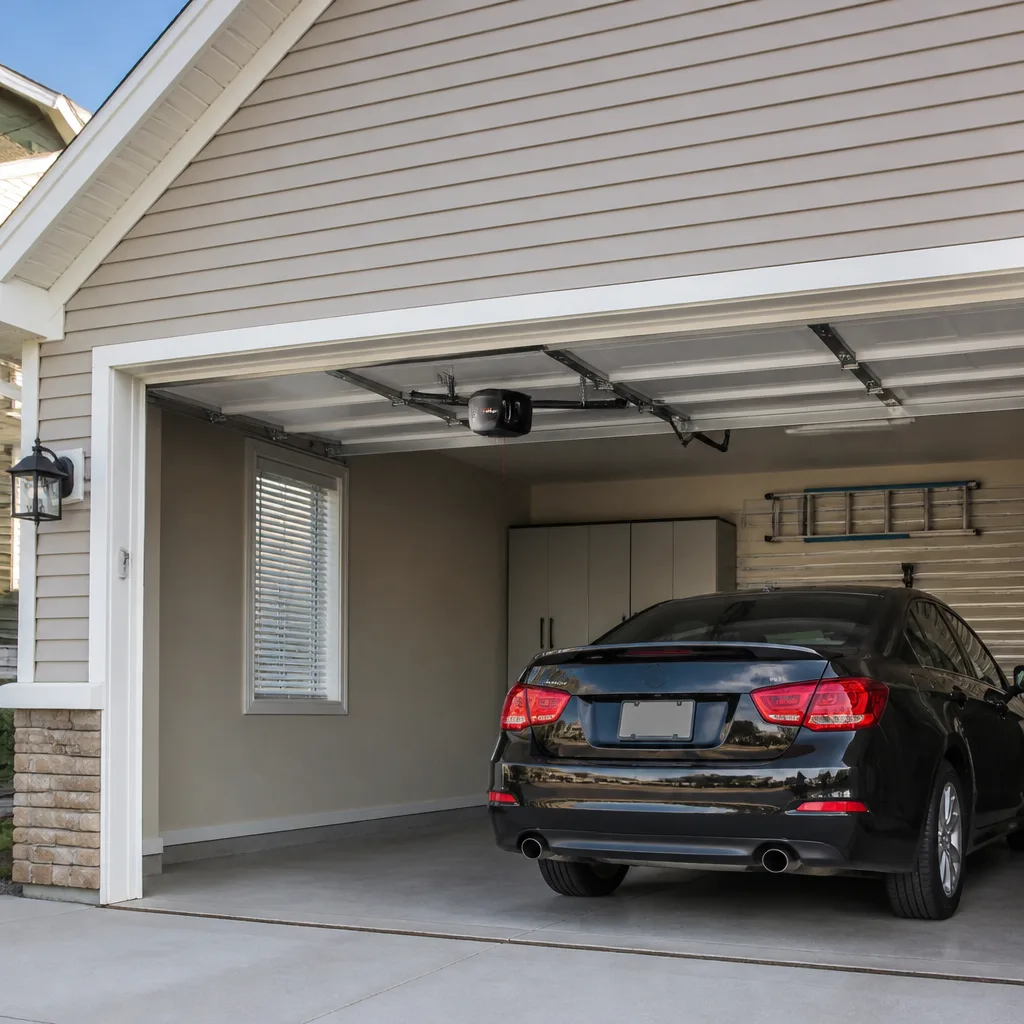 LiftMaster openers
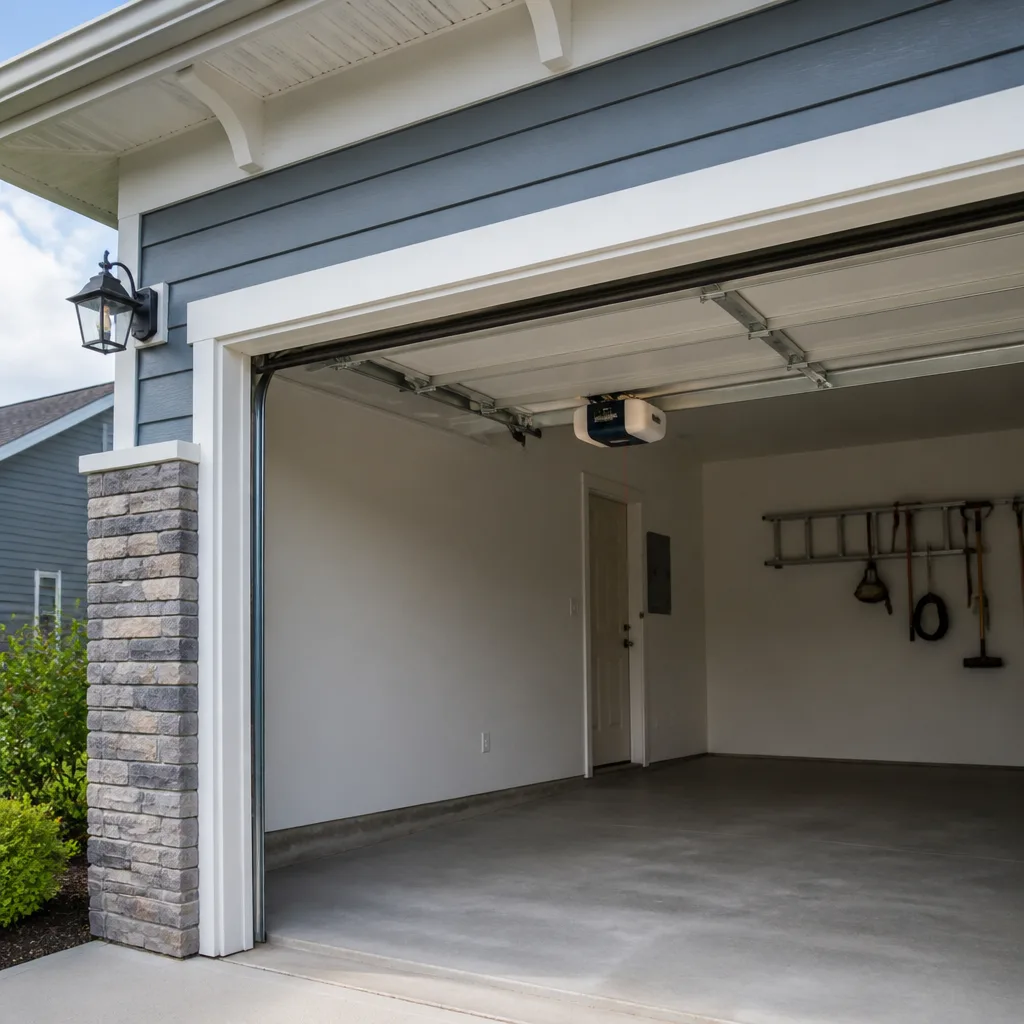 Chamberlain openers
Full 25-point door and opener safety check with every visit - springs, cables, rollers, tracks, and your LiftMaster or Chamberlain opener included
You get a price before we start. It does not change when the pro arrives.
Get your free estimateThe Complete Guide to Garage Doors in South Fulton
Most garage door advice online is written as if every house is the same age. In South Fulton, it isn’t. A door on a 1990s build in Cliftondale and a door on a newer home near Camp Creek can fail in completely different ways, for different reasons, with different fixes and different price tags. The spring that snaps on one may not even be the same type as the spring on the other. This guide maps the whole decision from where South Fulton actually sits: what our humidity does to door materials, what your HOA will and won’t approve, how to tell a failing system from a worn one, and when repair makes sense versus replacement.
Quick Answer
Garage door problems in South Fulton usually come down to the same few things: worn or broken springs, an opener that’s reached the end of its life, or a door system that’s aged past the point where repair makes sense. Most repair jobs are done same day, and replacement is usually a scheduled measure-and-install job. The right call depends less on how the door looks and more on its age, the failure type, and what your HOA allows.
Styles & brands we work with
- Raised-panel steel
- Carriage house
- Modern flush
- Full-view glass
- LiftMaster openers
- Chamberlain openers
Table of Contents
- How Your South Fulton Neighborhood’s Age Predicts Your Door’s Failure Point
- Which Door Materials Hold Up Against South Fulton’s Humidity and Storms
- HOA Rules and How They Constrain Replacement Choices
- Specialist Service Range vs. a Handyman: Why Diagnosis Accuracy Matters
- Repair or Replace? A South Fulton Decision Tree
- Spring Repair: The Job You Should Never DIY
- Openers: When to Repair and When to Replace
- Safety Checks Every South Fulton Homeowner Should Know
How Your South Fulton Neighborhood’s Age Predicts Your Door’s Failure Point
Door systems fail in predictable order based on how old the house is. That’s the single most useful thing a South Fulton homeowner can know, because it tells you what to watch and what to budget for before it breaks.
Homes built from roughly the 1980s through the 1990s, common in established subdivisions like Cliftondale, tend to be on their second or third set of springs. The original torsion springs were typically rated for a certain number of cycles and have long since been replaced. If your home is in this range and you’ve never had the springs done, that’s the first thing that should be on your radar. The openers on these homes are often original or an early replacement, and the door panels themselves are usually steel with some surface wear.
Newer builds, including a lot of the construction near Camp Creek and the more recent development in the city, often have higher-cycle springs from the factory and chain-drive openers that are still within their service life. The failure point here is more likely to be the opener’s logic board, a worn belt, or a misaligned sensor than a snapped spring. Newer doors can also have installation issues that only surface after a few years of use.
Here’s what that means in practice:
- Older homes: watch the springs first, then the opener, then the panels.
- Mid-age homes (late 1990s to 2000s): springs and openers could both be due, and a sensor or safety-reverse failure is common.
- Newer homes: start with the opener and sensor alignment; springs are usually fine.
This is also why the advice you get from a neighbor two streets over can be flat-out wrong for your house. Different door age, different spring, different code cycle. When you call garage door repair, the first question a good technician asks is how old the house is, because that narrows the diagnosis before anyone touches the door.
Which Door Materials Hold Up Against South Fulton’s Humidity and Storms
South Fulton sits in a humid subtropical climate: hot, muggy summers, mild winters, and regular afternoon thunderstorms from spring through fall. That combination is hard on garage doors, and it changes which materials and finishes make sense depending on where your door faces.
Steel doors are the most common choice in South Fulton, and they hold up well if they’re properly galvanized and finished. The weak point is the bottom section, which takes the most moisture from splash-back and can rust from the inside out where you can’t see it. Insulated steel doors, whether from Clopay or Amarr, do well here because the insulation layer keeps the door panels more dimensionally stable and reduces the condensation that forms on the inside of a thin, uninsulated door.
Wood doors are the most vulnerable to South Fulton’s humidity. Wood swells and shrinks with seasonal moisture, which can warp panels out of alignment and stress the hinges and rollers. If you have a wood or wood-composite door, keeping it sealed and painted matters more here than in a drier climate, and you’ll want to check the bottom edge and any joints every year.
Storm season adds a separate consideration: wind. South Fulton gets strong straight-line winds and the occasional severe thunderstorm. A correctly installed door with properly rated hardware handles that fine, but a door that’s been off its track or has a failing opener can be pushed further out of alignment by a single strong gust. This is one reason we don’t recommend running a door with a known tracking problem through a storm season.
In our experience working doors across South Fulton, the material that causes the fewest climate-related callbacks is insulated steel with a factory finish. It’s not glamorous, but it holds up to the humidity and the storms without needing the annual maintenance a wood door demands.
HOA Rules and How They Constrain Replacement Choices
Many South Fulton communities have homeowners associations, and their architectural review rules are the single most common reason a replacement project stalls. A homeowner picks a door style and color, then finds out it’s not approved. That’s frustrating, and it’s avoidable.
HOA rules vary widely from one community to the next, but in South Fulton the recurring themes are consistent. Color palettes are usually restricted to neutral tones that match the rest of the neighborhood. Panel styles are often limited to traditional raised-panel designs. Window inserts, if allowed, may have a specific grille pattern. Some associations restrict the door material itself or require the door to match a specific brand’s style that’s already common in the community.
Here’s how to handle it before you buy anything:
- Get your HOA’s architectural guidelines in writing. Don’t rely on what a neighbor did ten years ago; rules get updated.
- Submit your proposed door and color for approval before the installer measures. Approval first, order second.
- Keep the written approval on file so there’s no dispute later.
- If your association has a maintenance clause requiring a matching neighborhood look, factor that into your shortlist before you fall in love with a premium style.
Because HOA approval can add time to a project, the smart move is to start that process while you’re still deciding between repair and replacement. If you’ve already got approval and you’re ready to schedule, a new door installation is a measure-first job, so we’ll come out, take exact measurements, and give you a written price before anything is ordered.
Specialist Service Range vs. a Handyman: Why Diagnosis Accuracy Matters
A handyman can hang a shelf, patch drywall, and reset a breaker. A general contractor can coordinate a kitchen remodel. What neither is set up to do is diagnose a garage door system, because a garage door is a mechanical assembly with its own tension mechanics, balance tolerances, and electronics, and getting the diagnosis wrong wastes money or creates a safety hazard.
This is the difference that matters most in South Fulton, where so many homes have door systems from different eras. A specialist carries the parts and the knowledge or works with the professionals who do to handle a wider range of systems. We’re set up to service and install eight of the industry’s leading door and opener brands, which means when we arrive we’re not likely to hit a “we don’t work on that brand” dead end. That range matters on the diagnostic side too: a technician who’s seen hundreds of doors from the same brand can usually tell you what a particular noise or sag pattern means before pulling it apart.
The practical difference shows up in a few ways:
- Diagnosis accuracy: a specialist reads the door as a system. Is it the spring, the cable, the roller, the track, or the opener? A generalist often guesses.
- Right parts on hand: a specialist is equipped for the brands a homeowner is most likely to have, so a repair doesn’t stall waiting on a specialty part.
- Safety framing: garage door springs are under high tension. A specialist treats that as a safety issue and works accordingly. A generalist may not have the right tools or experience.
- Single-trade focus: every technician, every tool, every call is about garage doors only. That focus is what lets us cover the full system, from opener to panel to hardware, without handing you off to a second company.
For South Fulton homeowners, that translates into fewer repeat visits and a clearer answer up front about whether you’re looking at a repair or a replacement.
Repair or Replace? A South Fulton Decision Tree
The repair-versus-replace question is where most people get stuck, and it’s worth walking through in order rather than deciding on a feeling. Here’s the decision tree we’d use if you described your situation to us.
- How old is the house, and is this the original door? If the door is original and the house is 20+ years old, the system is likely near the end of its design life. Repair may still make sense, but replacement is worth pricing at the same time.
- What actually failed? A single broken spring, a bad opener, or a misaligned sensor is a repair. Bent or split panels, cracked sections, or a sagging door body lean toward replacement.
- How many things went wrong at once? One failure is a repair. Springs, cables, and rollers all showing wear together is a sign the door is telling you it’s done.
- Is the door still balanced? If you can lift it by hand and it stays put, the balance is reasonable. If it drops or feels heavy, the springs or cables are the problem, and that’s a repair item.
- Does the door still seal the house? Leaks, drafts, or gaps at the sides and bottom mean the door isn’t doing its job. Seals can be repaired; warped panels usually can’t.
- What does your HOA allow? If you’ve wanted a different style or color anyway, a replacement satisfies both the repair need and the upgrade. If the current style is required, replacement is a straight swap.
- What’s your budget? A single repair is almost always less than a replacement. But if you’re looking at two or three repairs in a year on an aging door, put that money toward a replacement instead.
One more consideration specific to South Fulton: storms. If your door has taken storm damage, the panels and the tracking both need to be assessed before you decide. A door that’s only out of alignment can often be repaired, while a door with cracked or bent sections usually can’t be.
Spring Repair: The Job You Should Never DIY
We’re going to be direct here, because this is the part of the guide where getting it wrong can seriously hurt you. Garage door springs are under high tension. They’re the most mechanically dangerous component in the whole system, and they are not a DIY repair. We treat them as a core specialty, not an upsell, because high-tension spring work requires precision tools and trained hands.
When a spring breaks, you usually hear a loud bang from the garage, and the door either won’t open or opens partway and stops. The door becomes very heavy to lift by hand. The opener may try to run and burn out. The door will not stay up on its own. That’s a sign to stop operating the door and call for service.
Spring repair in South Fulton usually involves:
- Identifying the spring type: torsion springs mount on a bar above the door; extension springs run along the sides. Torsion springs are more common on modern doors, and they’re also the ones that need the most care.
- Matching the cycle rating: springs are rated for a certain number of cycles. A specialist replaces them with springs suited to how often the door is used, not just whatever’s on the truck.
- Replacing in pairs when needed: a matched pair of springs is usually replaced together, so the pair costs roughly twice what one spring does. That’s normal, and a good technician will explain it before starting.
- Checking the balance and tension: after the spring is replaced, the door is tested by hand to confirm it lifts easily and stays put.
Because of the tension involved, we don’t recommend trying to wind or unwind a spring yourself. The tools alone are specialized, and a spring that lets go under improper handling can cause serious injury. If you suspect a spring problem, treat the door as out of service until a technician has looked at it. A broken spring really is a safety issue, and we treat it that way.
Openers: When to Repair and When to Replace
The opener is the part of the system most people interact with, so it’s also the part people misdiagnose. A door that won’t close isn’t always an opener problem, and an opener that won’t run isn’t always a motor problem. Getting that distinction right saves you from replacing a perfectly good opener when the real issue is a sensor or a spring.
First, the obvious checks. If the door won’t close, check the safety sensors at the bottom of the tracks. They should be aligned, unobstructed, and lit up (on most models, a green or steady light means clear). A leaf, a cobweb, or a bumped sensor is the most common cause of a door that reverses immediately after starting to close. If the opener won’t run at all, check the wall control and the battery in the remote before assuming the unit is dead.
When it is the opener, the repair-versus-replace question depends on age and brand. We work on LiftMaster and Chamberlain systems, which are the most common in South Fulton homes, and we also handle Genie and Craftsman units. What usually prompts a replacement rather than a repair:
- The opener is old and its parts are discontinued. If the logic board or motor is failing and parts aren’t available, replacement is the practical answer.
- It lacks a modern safety reverse and photo-eye system. These are important safety features, and an opener without them is due for replacement.
- It struggles under the door’s weight. A properly balanced door should be light to lift. If the opener is straining, the problem may be the door, not the opener, so get it checked before you replace the motor.
- You want a quieter or smarter unit. A modern belt-drive opener is noticeably quieter than the chain-drive unit that’s probably on a 1990s South Fulton home, and newer remotes with rolling codes are more secure.
If you’re not sure whether it’s the opener or the door, calling for garage door opener repair is the right first step. A technician can test the door and openers separately and tell you which one is at fault.
Safety Checks Every South Fulton Homeowner Should Know
These are the checks you can safely do yourself, and they’re worth running a couple of times a year, especially heading into South Fulton’s storm season. They’re about noticing problems early, not about fixing them yourself.
The monthly safety-reverse test. With the door open, place a piece of wood or a similar object flat on the ground in the door’s path, and press the close button. The door should reverse when it meets the object. If it doesn’t, the safety features need attention.
The photo-eye test. With the door open, wave something across the path of the safety sensors at the bottom of the tracks while pressing close. The door should reverse. If I don’t trigger it, the sensors are misaligned or dirty, and that’s the cause of most “door won’t close” calls.
The balance test. With the door closed and the opener disconnected (there’s usually a release cord), lift the door by hand to about halfway and let go. It should hold roughly where you left it. If it drops or feels very heavy, the springs or cables need attention, and that’s when to stop and call.
The visual check. Look at the springs, cables, and rollers without touching them. A frayed cable, a visibly broken spring, or a roller that’s come out of its track all mean stop operating the door and call for service. Cables in particular are under tension and shouldn’t be handled.
The opener’s force setting. If your opener has adjustable force settings, they should be set so the door reverses on an obstruction. We don’t recommend adjusting these yourself; have a technician check them if the door doesn’t reverse on test.
None of these checks involve reaching into the spring or cable assemblies. If anything looks wrong, the safest thing you can do is leave the door closed and call a trained professional. The same rule applies to electrical connections at the opener and any wiring at the wall control: that’s electrician-level work, and we recommend a trained pro for it.
Common Mistakes to Avoid
- Trusting a neighbor’s door advice without checking your own house. A newer home near Camp Creek and an older one in Cliftondale may have completely different spring types and opener models. Ask what door you actually have before acting.
- Attempting a spring repair yourself. The tension in a garage door spring is dangerous, and the wrong tool or technique can cause serious injury. Leave it to a trained professional; this is the job where a specialist earns their keep.
- Replacing an opener when the door is the problem. A door that’s out of balance or has a failing spring will strain a brand-new opener just as it strained the old one. Get the door checked before you replace the motor.
- Buying a replacement door before checking HOA approval. South Fulton HOAs commonly restrict colors and panel styles. Get written approval first; buying first is how projects stall.
- Ignoring a frayed cable or a door that won’t stay up. These are signs the door is unsafe to operate. Stop using it and call for service instead of running it through more cycles.
- Assuming a generalist can diagnose the whole system. A handyman may fix the symptom without finding the cause. A specialist reads the whole door, which is why garage door spring repair and opener repair are handled by the same person who checks the panels and tracks.
- Replacing a door that only needs a repair. A single spring, a bad roller, or a misaligned sensor doesn’t justify a new door. Get a diagnosis before you spend on a replacement.
See the difference
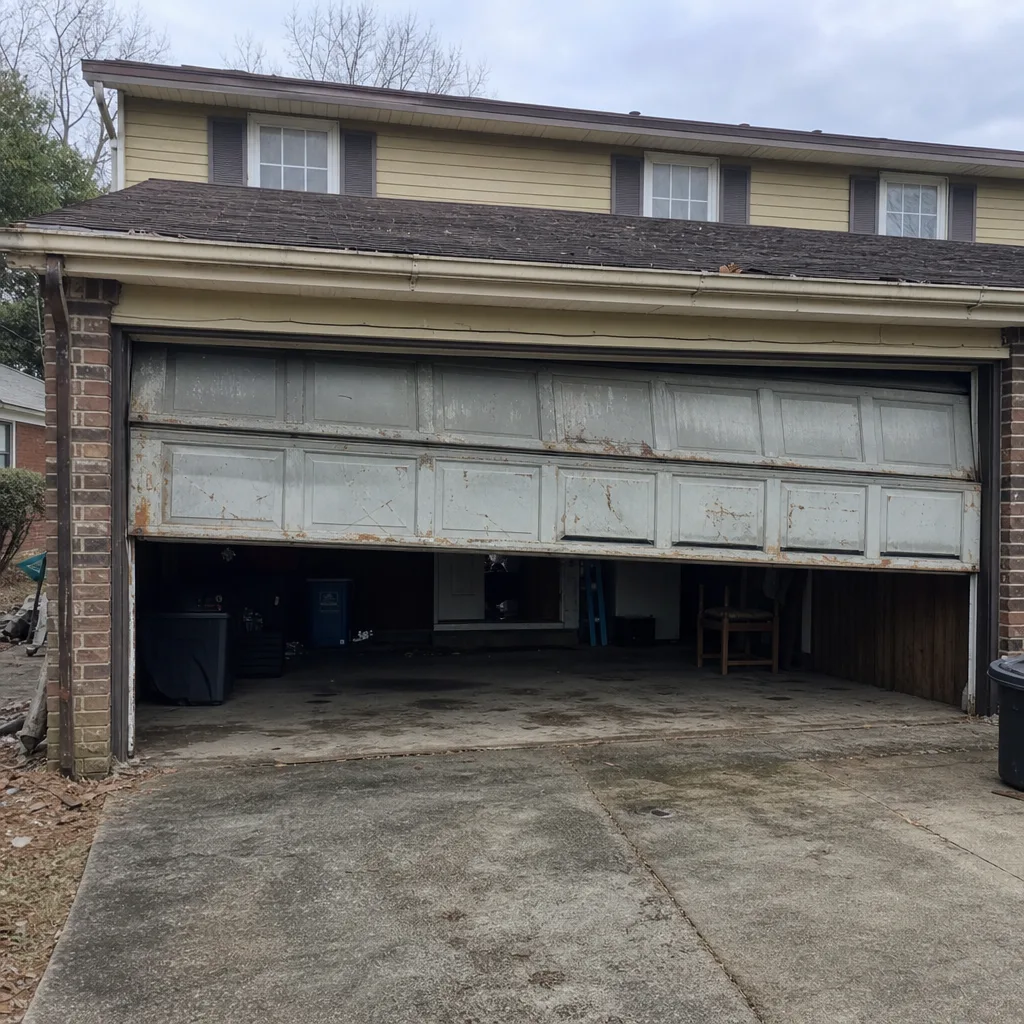 Before
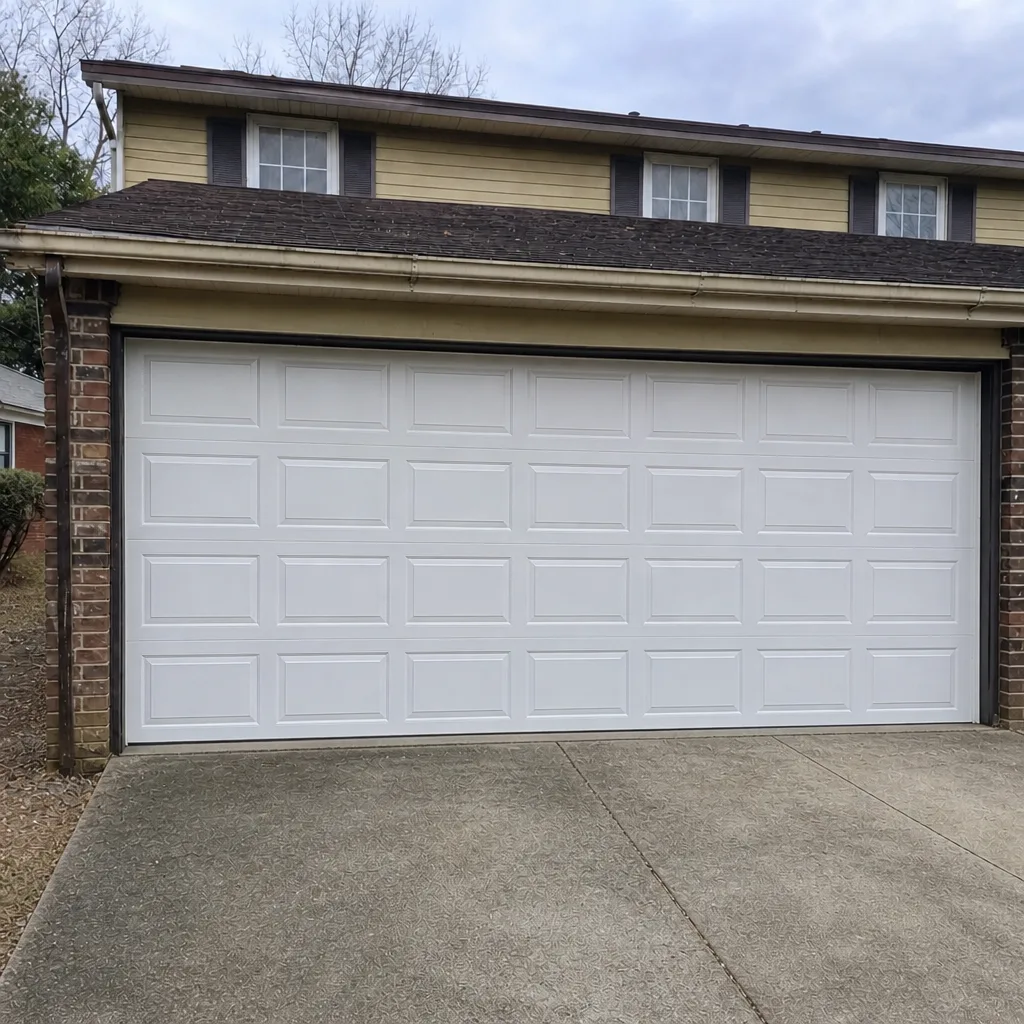 After
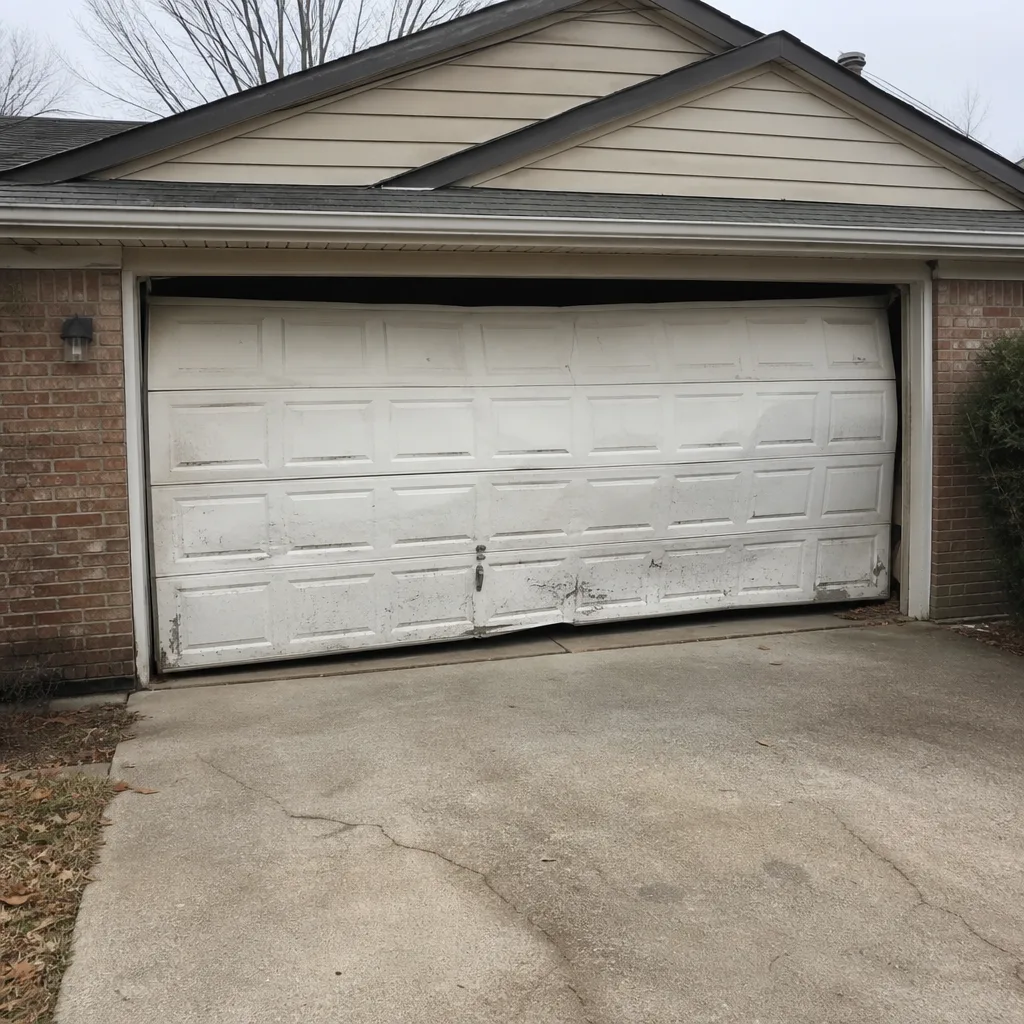 Before
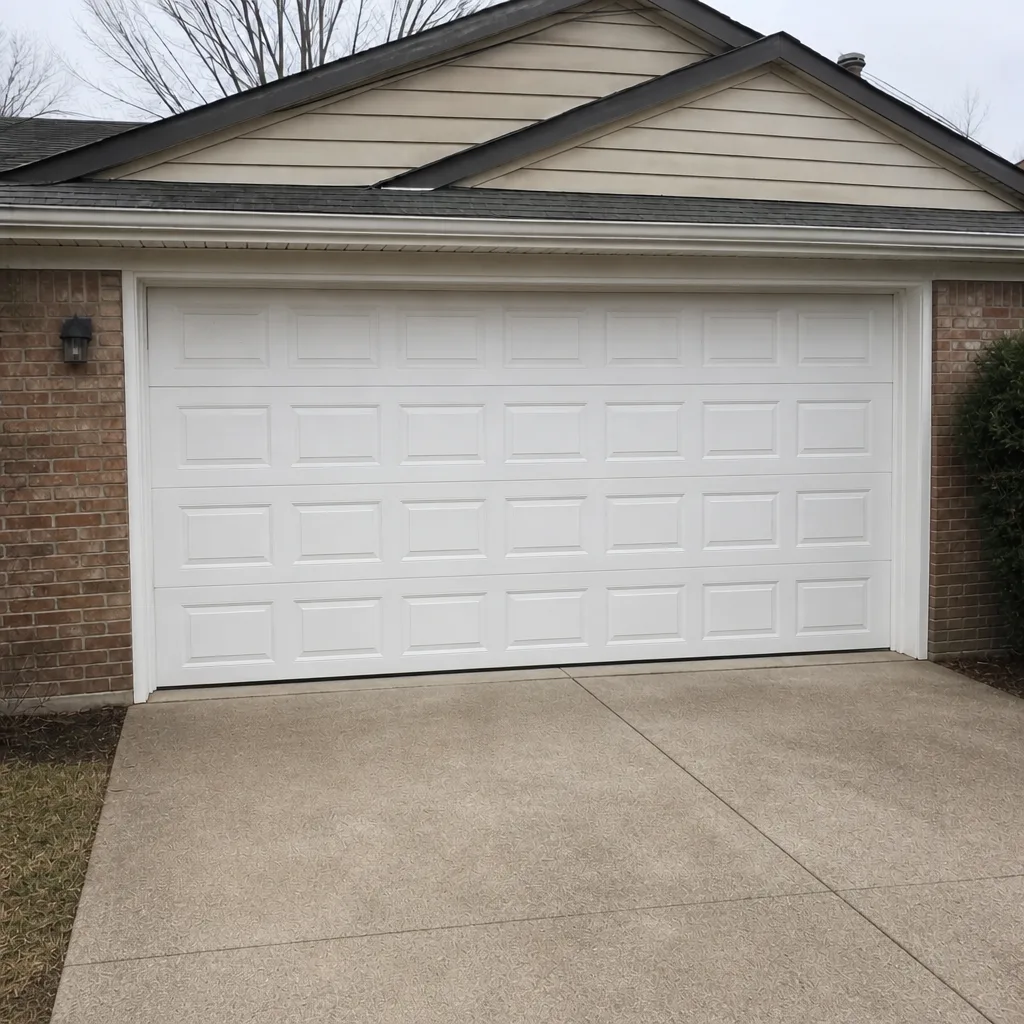 After
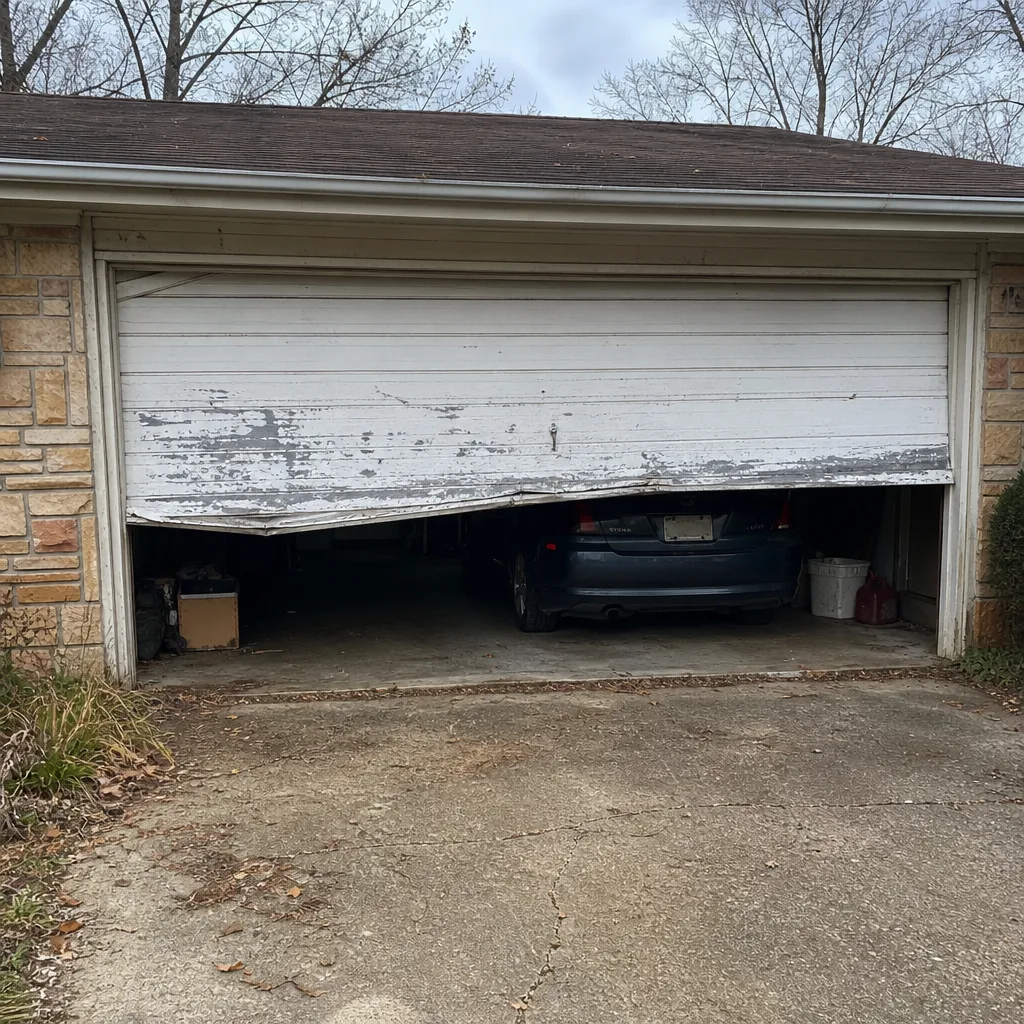 Before
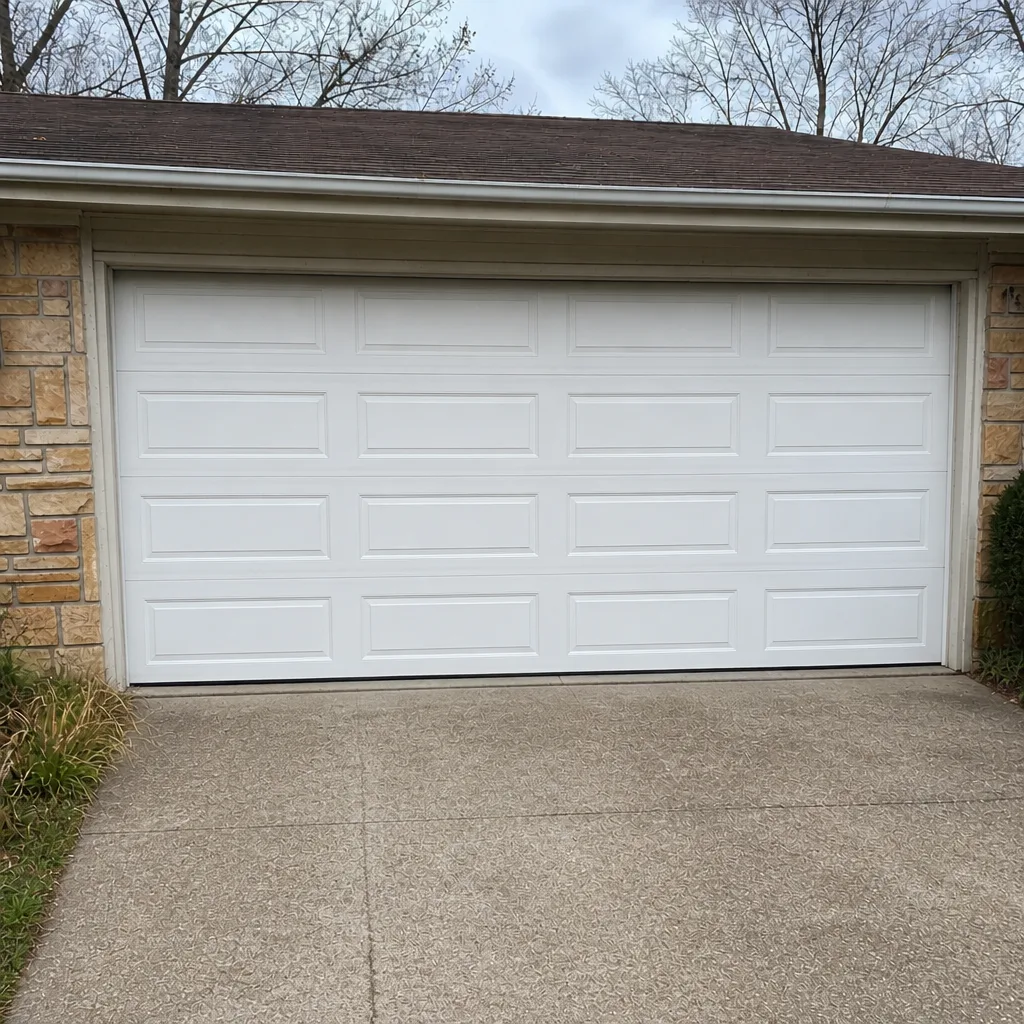 After
When to Call a Professional
Call a professional when the door won’t open or close, when you hear the bang of a broken spring, when the door reverses on its own, or when you see a frayed cable or a door that no longer stays up. Call when the opener runs but the door doesn’t move, when the door is off its track, or when the panels have taken storm damage. Call before you replace anything, because the diagnosis determines what actually needs doing. South Fulton Garage Door Repair Pros offers free estimates in South Fulton. Call (833) 348-5996. We answer 24/7, with fast dispatch from 7am to 7pm, Sunday through Friday. For emergencies, call the same number and we’ll book you into the next opening, and for new doors we’ll come out, measure, and give you a written price before anything is ordered.
Frequently Asked Questions
Most garage door repairs in South Fulton are quoted per job by written estimate, and the price depends on what failed and what parts are needed. Spring repair, opener repair, and panel and track work are all priced by the technician after diagnosis. Call (833) 348-5996 for an exact quote; estimates are free.
Usually, yes, for repair calls. We offer same-day service and fast dispatch from 7am to 7pm, Sunday through Friday. Call (833) 348-5996 and we’ll confirm what’s available for the day.
No. The price is quoted and agreed before any work starts, so the written estimate is the price. If the diagnosis turns up something different from what you described, the technician will explain it and get your approval before proceeding. Call (833) 348-5996 for a free estimate.
The local pros we connect you with are licensed and insured as their state requires. Our technicians have up to 8 years of experience working on garage doors and openers. Call (833) 348-5996 with any questions.
For many South Fulton communities, yes. HOA architectural review rules commonly restrict door color and panel style, so get your association’s written approval before ordering a replacement. If you’re not sure whether your community has an HOA, check your closing documents or ask your neighbors.
Repair is usually the right call for a single failure like a broken spring or a bad opener on an otherwise sound door. Replacement makes more sense when the door is old, has multiple failures at once, has damaged panels, or no longer seals the house. A free estimate will tell you which applies to your door; call (833) 348-5996.
The Bottom Line
Your South Fulton garage door problem isn’t generic, and the fix shouldn’t be either. The age of your neighborhood tells you which components are most likely to fail, South Fulton’s humidity and storm season tell you which materials and finishes hold up, and your HOA tells you what you’re allowed to buy. From there, the repair-versus-replace decision comes down to the failure type, how many things went wrong at once, and your budget. Springs are a safety issue, so treat them that way and leave the work to a trained professional. When you’re ready for a straight answer on your door, South Fulton Garage Door Repair Pros is here to give it.
Call (833) 348-5996 for a free estimate. We answer 24/7, with fast dispatch from 7am to 7pm, Sunday through Friday.
Written by the team at South Fulton Garage Door Repair Pros.